
-
Music Therapy
Most everyone enjoys listening to music. Some of us play music as well. Music has a therapeutic effect and can be used to enhance or even change how we feel. According to the American Music Therapy Association: Music Therapy is an established health profession in which music is used within a therapeutic relationship to address physical, emotional, cognitive, and social needs of individuals. After assessing the strengths and needs of each client, the qualified music therapist provides the indicated treatment including creating, singing, moving to, and/or listening to music. Through musical involvement in the therapeutic context, clients’ abilities are strengthened and transferred to other areas of their lives. Music therapy also provides avenues for communication that can be helpful to those who find it difficult to express themselves in words. Research in music therapy supports its effectiveness in many areas such as: overall physical rehabilitation and facilitating movement, increasing people’s motivation to become engaged in their treatment, providing emotional support for clients and their families, and providing an outlet for expression of feelings.
As a Creative Arts Therapist I use music to support individuals and groups when they are engaged in a therapeutic process. Whether it’s movement, art or guided meditation the music enhances focus for the participants. I often hear people report that the music helped them to get in touch with feelings and/or explore them on a deeper level. -
Old English Sheepdog-Coloring Page

-
preach
Did St Francis preach to the birds? Whatever for? If he really liked birds he would have done better to preach to the cats. Rebecca West

-
Therapy dogs
A therapy dog is a dog trained to provide affection and comfort to people in hospitals, retirement homes, nursing homes, schools, hospices, people with learning difficulties, and stressful situations, such as disaster areas.
Therapy dogs come in all sizes and breeds. The most important cha
racteristic of a therapy dog is its temperament. A good therapy dog must be friendly, patient, confident, gentle, and at ease in all situations. Therapy dogs must enjoy human contact and be content to be petted and handled, sometimes clumsily.
A therapy dog’s primary job is to allow unfamiliar people to make physical contact with it and to enjoy that contact. Children in particular enjoy hugging animals; adults usually enjoy simply petting the dog. The dog might need to be lifted onto, or climb onto, an individual’s lap or bed and sit or lie comfortably there. Many dogs contribute to the visiting experience by performing small tricks for their audience or by playing carefully structured games. In hospice environments, therapy dogs can play a role in palliative care by reducing death anxiety. -
Meditation helps students
A study of students in California universities showed that those who practiced a bit of meditation in their personal lives performed better on tests. This applied to students who practice the art of Zen, as well as those who simply meditate for a few minutes before class.
The research, published in the journal Mindfulness, showed that meditation worked best for first year students, which led researchers to speculate that younger students tend to struggle with concentration more.
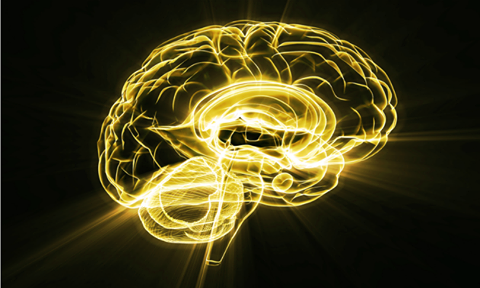
Professor Robert Youmans, of George Mason University in Virginia, co-lead the study with University of Illinois doctoral student Jared Ramsburg. According to Professor Youmans:
“One difficulty for researchers who study meditation is that the supposed benefits of meditation do not always replicate across different studies or populations, and so we have been trying to figure out why. This data from this study suggest that meditation may help students who might have trouble paying attention or focusing. Sadly, freshmen classes probably contain more of these types of students than senior courses because student populations who have difficulty self-regulating are also more likely to leave the university.”
The researchers said that coaching students on proper meditation could improve academic results. Ramsburg’s own personal experiences inspired him to undertake the study (he is a Buddhist).
“I think that if mindfulness can improve mental clarity, focus and self-discipline, then it might be useful in a variety of settings and for a variety of goals.”
For anyone uncomfortable with meditation (even though it is not necessarily a religious practice), Ramsburg says that taking long walks in the morning before you start your day could inspire the same outcome.
“Basically, becoming just a little bit more mindful about yourself and your place in the world might have a very important, practical benefit – in this case, doing better in college.”
-
Great Laurel-Coloring Page

-
Study cools idea behind hot yoga
A small study sponsored by the American Council on Exercise is one of the first to look at whether hot yoga offers any more bang for your buck than traditional yoga. The study recruited 20 healthy men and women between 19 and 44, each of whom took a 60-minute yoga class in both a room heated to 21 C and one heated to 31 C. The classes were taken 24 hours apart and were led by the same instructor and featured the same poses.
Each subject wore a heart-rate monitor and swallowed an ingestible core body temperature sensor before taking part in the class. Core body temperature was recorded five minutes before the class, every five minutes during the class and five minutes after the class.

Heart rate was recorded every minute, with subjects also ranking their perceived rate of exertion on a scale from 6 to 20.
In the end, the researchers, who hailed from the Department of Exercise and Sport Science at the University of Wisconsin-La Crosse, noted very little difference in the core temperature and heart rate of the participants despite the difference in temperature between the two classes. Core temperature for the hot yoga participants was 37.6 C versus 37.4 C for the cooler studio.
As for the intensity of the workouts, both yoga practices would be classified as “light exercise,” with heart rate averaging about 56 per cent of maximum during the regular yoga class as compared to 57 per cent of maximum heart rate during the hot yoga class.
-
Addiction Recovery in the 21st Century
-
Black Widow Spider-Coloring Page


 CreativeTherapyTools