
-
Stress management strategy #2
Alter the situation
If you can’t avoid a stressful situation, try to alter it. Figure out what you can do to change things so the problem doesn’t present itself in the future. Often, this involves changing the way you communicate and operate in your daily life.
- Express your feelings instead of bottling them up. If something or someone is bothering you, communicate your concerns in an open and respectful way. If you don’t voice your feelings, resentment will build and the situation will likely remain the same.
- Be willing to compromise. When you ask someone to change their behavior, be willing to do the same. If you both are willing to bend at least a little, you’ll have a good chance of finding a happy middle ground.
- Be more assertive. Don’t take a backseat in your own life. Deal with problems head on, doing your best to anticipate and prevent them. If you’ve got an exam to study for and your chatty roommate just got home, say up front that you only have five minutes to talk.
- Manage your time better. Poor time management can cause a lot of stress. When you’re stretched too thin and running behind, it’s hard to stay calm and focused. But if you plan ahead and make sure you don’t overextend yourself, you can alter the amount of stress you’re under.
There as many ways to reduce stress as there are stars. I use and recommend that people engage a variety of healthy coping and preemptive stress reducing techniques.

-
Bluebells Coloring Page

-
Stress management strategy #1
Avoid unnecessary stress
Not all stress can be avoided, and it’s not healthy to avoid a situation that needs to be addressed. You may be surprised, however, by the number of stressors in your life that you can eliminate.
- Learn how to say “no” – Know your limits and stick to them. Whether in your personal or professional life, refuse to accept added responsibilities when you’re close to reaching them. Taking on more than you can handle is a surefire recipe for stress.
- Avoid people who stress you out – If someone consistently causes stress in your life and you can’t turn the relationship around, limit the amount of time you spend with that person or end the relationship entirely.
- Take control of your environment – If the evening news makes you anxious, turn the TV off. If traffic’s got you tense, take a longer but less-traveled route. If going to the market is an unpleasant chore, do your grocery shopping online.
- Avoid hot-button topics – If you get upset over religion or politics, cross them off your conversation list. If you repeatedly argue about the same subject with the same people, stop bringing it up or excuse yourself when it’s the topic of discussion.
- Pare down your to-do list – Analyze your schedule, responsibilities, and daily tasks. If you’ve got too much on your plate, distinguish between the “shoulds” and the “musts.” Drop tasks that aren’t truly necessary to the bottom of the list or eliminate them entirely.
There as many ways to reduce stress as there are stars. I use and recommend that people engage a variety of healthy coping and preemptive stress reducing techniques.

-
Beagle Coloring Page

-
Addiction Hijacks the Brain
You’ve probably heard of the brain’s reward network. It’s activated by basic needs — including food, water and sex — and releases a surge of the feel-good neurotransmitter dopamine when those needs are met. But it can also be hijacked by drugs, which lead to a greater dopamine release than those basic needs.
But the reward network isn’t the only brain network altered by drug use. A new review concluded that drug addiction affects six main brain networks: the reward, habit, salience, executive, memory and self-directed networks.
In 2016, a total of 20.1 million people ages 12 and older in the U.S. had a substance-use disorder, according to the National Survey on Drug Use and Health, an annual survey on drug use. And drug addiction, regardless of the substance used, had surprisingly similar effects on the addicted brain, said the review, published in the journal Neuron.
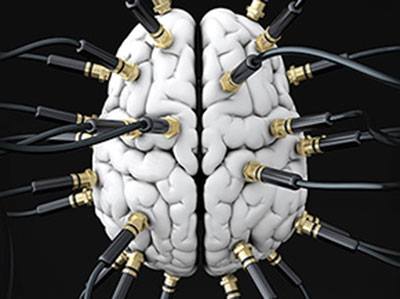
The review looked at more than 100 studies and review papers on drug addiction, all of which studied a type of brain scan called functional magnetic resonance imaging (fMRI).
More than half of the studies out there look at the effects of drug use on the reward network, said Anna Zilverstand, lead author of the new review and an assistant professor of psychiatry at the Icahn School of Medicine at Mount Sinai in New York City.
“Because we showed that the effects are very distributed across the six different networks … [we can conclude that] an approach that only looks at one of these networks isn’t really justified,” Zilverstand told Live Science. “This [finding] will hopefully lead other researchers to look beyond the reward network.”
For example, the memory network is pretty much ignored in research on substance-use disorders, Zilverstand said. This network allows humans to learn non-habit-based things, such as a new physics concept or a history lesson. Some research has suggested that in people with substance-use disorders, stress shifts the person’s learning and memory away from the memory network to the habit network, which drives automatic behavior, such as seeking and taking drugs.
Another less-studied network is the self-directed network, which is involved in self-awareness and self-reflection, the review said. In people with addictions, this network has been associated with increasing craving.
Two other networks are involved in substance-use disorders: The executive network is normally responsible for goal-maintaining and execution, but drugs can alter this network as well, reducing a person’s ability to inhibit their actions. The salience network picks up important cues in a person’s environment and redirects the individual’s attention to them. (In people with drug addiction, attention is redirected toward drugs, increasing craving and drug-seeking.)
Which comes first, the brain activity or the drug use?
“For me, the most surprising [finding] was how consistent the effects were across addictions,” Zilverstand said. What’s more, “the fact that the effects are quite independent of the specific drug use points to them being something general that might actually precede drug use rather than be a consequence of drug use.”
Zilverstand said she hopes that more studies will look at whether some people have abnormal brain activity in these six networks naturally and if that activity just gets exacerbated if they begin drug use. It’s important to know if some of these traits precede drug use; if that’s the case, it might be possible to identify people who are prone to addiction and intervene before an addiction begins, she said.
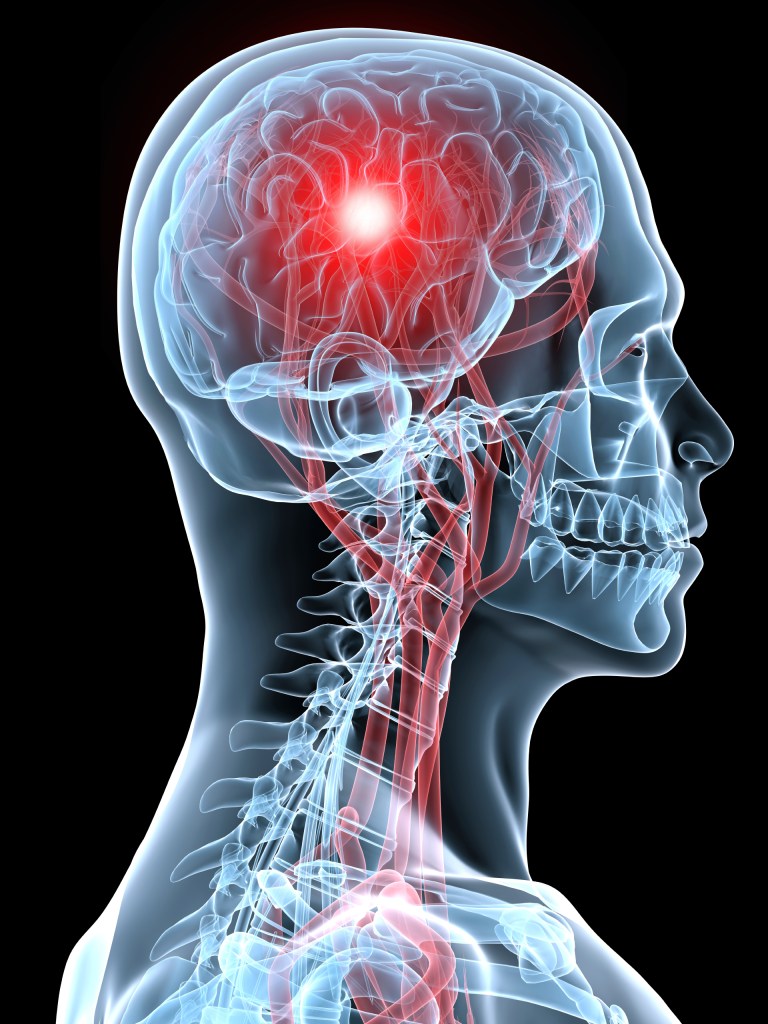
Some research has pointed toward this possibility already. For example, studies have shown that some people have “difficulties … inhibiting impulsiveness before drug use,” Zilverstand said. “Some of these impairments precede drug use, and they may become worse with more drug use, but they exist before the problem escalates.”
The good news, however, is that activity in four of these networks — executive, reward, memory and salience — moves back toward “normal” once drug use ends. “We know that four of the networks (partially — not fully) recover but not yet what happens to the other two networks,” Zilverstand said in an email.
Zilverstand added that she’s particularly excited about an ongoing study called the Adolescent Brain Cognitive Development (ABCD) Study, which is tracking 10,000 children across the U.S. from around ages 9 or 10 to age 20 (the children are now around 13). Some of these individuals will inevitably become addicted to drugs, most likely marijuana or alcohol, Zilverstand said.
“We’ll be able to see if the effects that we found [in the review] exist in youth who have not yet abused drugs,” she said, and she predicted that researchers will be able to find a lot of the effects identified in the review in the six brain networks.
The authors noted that because some regions of the brain are very small — for example, the amygdala, which is found toward the center of the brain — the studies can’t identify strong signals from those areas on brain scans. So, it’s possible that drugs affect additional networks in the brain that are hidden because of the limitations of our technologies, Zilverstand said.
“We don’t want to conclude that [those effects] don’t exist,” she said.
-
Bulldog Coloring Page

-
Neuroscience, Addiction, Theory
Over the years I have read articles and case files of clients that suggest there is an abundance of anxiety and anxiety related disorders with people who experience alcohol and drug addiction. One of the chief components that produce anxiety is stress and according to Volkow and Li (2005) stress increases vulnerability to drug use and relapse in those addicted. They both argue that there is evidence that, “corticotropin-releasing factor (CRF) might play a linking role through its effects on the mesocorticolimbic dopamine system and the hypothalamic-pituitary–adrenal axis15-16” (Volkow, Li, 2005, p 1429). In simpler terms, stress produces CRF which affects the limbic system and the adrenals which in turn increases the stress response cycle.
In thinking about stress I stumbled across another article in the same issue of Nature and Neuroscience that talked about stress like responses, abet in a somewhat indirect manner. The article, by Antoine Bechara (2005) talks about the amygdala being out of balance. Bechara argues that addicted people become unable to make drug-use choices on the basis of long-term outcome because of hyperactivity within the amygdala (Bechara, 2005, p.1458). The amygdala which signals pain or pleasure of immediate prospects, overpowers the reflective prefrontal cortex system for signaling pain or pleasure of future prospects thus altering the decision making process. Bachara goes on to say that substance use can trigger involuntary signals originating from the amygdala that modulate, bias or even hijack the goal-driven cognitive resources that are needed for the normal operation of the reflective system and for exercising the willpower to resist drugs (Bechara, 2005, p.1458).
Knowing the basics that there is a relationship between the amygdala, drug use and stress I am willing to hypothesize that there is a circular connection here. Stress (and drug use) changes the composition of the chemicals that move through the body, this changed composition changes us more by altering the functions in the amygdala, which leads to changes in the decision making process. This combination of factors (stress-chemical composition-amygdala- and temperament) could be an over whelming force.
In fact, as long as I am going out on a limb and possibly completely limbless, I hypothesize that this stress amygdala cycle maybe related to the high/low reactive response Kagan noticed behaviorally in infants some thirty plus years ago at Harvard.

From Kagan’s perspective, temperament is an emotional/behavioral bias, independent of cognitive abilities, that affects receptivity to certain moods and emotions (Mitchell, 2006). Temperament has an effect on the neural chemistry of the brain and thus the sensitivity of certain receptors. Kagan theorized this is based on inherited factors that control the amygdala and thus the production of chemicals in the brain (Mitchell, 2006). This sensitivity, Kagan believes, is the basis of the behavioral/temperamental aspect of an individual.
In Kagan’s theory the chemical production of the amygdala alters receptor connections forming what he describes as high and low reactive (Mitchell, 2006). A high reactive is a high level of arousal to stimuli (crying), versus a low reactive which has a more relaxed reaction to stimuli. Highs have a more active amygdala, and tend to need to be in more control (control their responses and avoid the high reactive reactions).
Thus Bechara theory that drugs stimulate the amygdala maybe the same responses/reactions that Kagan saw in high reactive individuals. If one is a high reactive addict and you are surrounded by stimuli your inherent reaction is to want to control your high response because it creates tension within. The addict wants to quiet the tension, and the brain remembers that using fills that immediate need for control by quieting the reactions. But the drug use only temporally gives control as it also creates a hyperactive response in the amygdala which also reinforces that experience/feeling/thought that it’s more important to use now and not worry about later.
This hypothetical situation might manifest itself somatically by the addict contracting in response to memories of the original or current stressor stimuli for example. This contraction may have become neurologically and psychologically habituated as, “the body movements we develop when we are young are the modus operandi of dissociating” (Caldwell, 1996, p. 28). This contraction would possibly be followed by the person moving to remedy the situation by desensitization through a known movement pattern of perhaps contraction and release. This contraction/release could be a strain/release pattern, followed by a stop/go hesitation pattern as the person struggles with the need to control/quiet the self and the amygdala sends signals/memories of use that overrule the reflective prefrontal cortex. The person uses and goes into a running/drifting rhythm followed by even flow as the effects of the usage wears off.
Despite some 40 plus years of working with folks using movement and therapy I am still learning about movement and its relationship to addictions and disorders (disharmony) in general. I feel like I am also in the beginning stages of learning about neuroscience and the body with its behaviors. I get a wee bit excited when I think about the journals and articles that I have had only a chance to skim or read once and the connections with addictions as well as Kagan, Bachara, Volkow, Li, and others theories of addiction and personality. I never would have thought I would spend so much time looking at addictions but I see in adults with addictions many issues; adolescence, child hood trauma, dysfunctional families, depression, anxiety, low self esteem, disassociation from the body and from feelings. One population with many pathologies, just like every other population (humans) I suppose.
References
AHD, American Heritage Dictionary of the English Language, Fourth Edition. (2000) Houghton Mifflin Company. Retrieved February 28 2008 from Yahoo Education and Reference Dictionary at http://education.yahoo.com/reference/dictionary/entry/addiction
Ballas,C. MD. (2008). Medical Encyclopedia: Addiction. Retrieved February 27 2008 from National Institutes of Health at http://www.nlm.nih.gov/medlineplus/ency/article/001522.htm
Bechara, A. (2005). Decision making, impulse control and loss of willpower to resist drugs: a neurocognitive perspective. Nature Neuroscience. Vol 8, no. 11 Novemenber 2005.
Cadlwell, C. (1996). Getting our bodies back. Boston: Shambahala.
Capello, P,P. (2008). Dance/Movement Therapy with Children Throughout the World. American Journal Dance Therapy. (2008) Vol. 30. pg: 24–36
Fisher, B. MA, DTR. (1990). Dance/Movement Therapy:Its use in a 28 day substance abuse program. The Arts in Psychotherapy. Vol 17, pp.325-331
Fraser, J. S., & Solovey, A. D. (2007). Substance Abuse and Dependency. Second-order change in psychotherapy: The golden thread that unifies effective treatments., 223-244.
Lewis, P. (2003) Marian Chace Foundation Annual Lecture: Dancing with the Movement of the River. American Journal of Dance Therapy Vol. 25, No. 1, Spring/Summer 2003
Milliken, R. (1990). Dance/movement therapy with the substance abuser. The Arts in Psychotherapy, The creative arts therapies in the treatment of substance abuse, 17(4), 309-317.
Mitchell, N. (2006, August 26). All in the mind: Jerome Kagan, the father of temperament. Australia Broadcast Corporation, Radio National. Retrieved August 26, 2006, from http://abc.net.au/rn/aim/
TIPS, National Library of Medicine. (2008). Groups and substance abuse treatment: From Treatment Improvement Protocol Series. Retrieved February 25 2008 from Health Services Technology/Assessment Texts http://www.ncbi.nlm.nih.gov/books/bv.fcgi?rid=hstat5.section.78466
NIDA, National Institutes of Health (NIH), National Institute on Drug Abuse (NIDA). (2008). NIDA Info-Facts: Nationwide Trends. Retrieved February 22 2008 from U.S. Department of Health and Human Services. http://www.nida.nih.gov/Infofacts/nationtrends.html
Volkow,N. Li, Ting-Kai. (2005). The neuroscience of addiction. Nature Neuroscience. Vol 8, no. 11 Novemenber 2005 .
Rose,S. (1995). Movement as metaphor in treating chemical addiction. In F.J. Levy (Ed.), Dance and other expressive art therapies. New York: Routledge.
-
American Wirehair Coloring Page

-
Yoga as a practice tool
Today more and more adults practice yoga, and not surprisingly, there is research supporting its physical benefits. Studies show the practice—which combines stretching and other exercises with deep breathing and meditation—can improve overall physical fitness, strength, flexibility and lung capacity, while reducing heart rate, blood pressure and back pain.
But what is perhaps unknown to those who consider yoga just another exercise form is that there is a growing body of research documenting yoga’s psychological benefits. Several recent studies suggest that yoga may help strengthen social attachments, reduce stress and relieve anxiety, depression and insomnia. Researchers are also starting to claim some success in using yoga and yoga-based treatments to help active-duty military and veterans with post-traumatic stress disorder.
“The evidence is showing that yoga really helps change people at every level,” says Stanford University health psychologist and yoga instructor Kelly McGonigal, PhD.
That’s why more clinicians have embraced yoga as a complement to psychotherapy, McGonigal says. They’re encouraging yoga as a tool clients can use outside the therapy office to cope with stress and anxieties, and even heal emotional wounds.
“Talk therapy can be helpful in finding problem-solving strategies and understanding your own strengths and what’s happening to you, but there are times when you just need to kind of get moving and work through the body,” says Melanie Greenberg, PhD, a psychology professor at Alliant International University, who has studied yoga’s benefits to mental health.

The mind-body meld
According to a study by Sherry A. Glied, PhD, professor of health policy and management at Columbia University, and Richard G. Frank, PhD, professor of health-care policy at Harvard Medical School, published in the May/June Health Affairs (Vol. 28, No. 3), the rate of diagnosed cases of mental disorders increased dramatically between 1996 and 2006—doubling among adults age 65 and older, and rising by about 60 percent among adults 18 to 64. During that same time period, rates of psychotropic medication use rose by about the same percentages among these groups.
In light of these numbers, yoga remains a natural and readily available approach to maintaining wellness and treating mental health issues, says Sat Bir Khalsa, PhD, a neuroscientist and professor of medicine at Harvard Medical School at Brigham and Women’s Hospital in Boston who studies yoga’s effects on depression and insomnia. Khalsa, who has practiced yoga for more than 35 years, says several studies in his 2004 comprehensive review of yoga’s use as a therapeutic intervention, published in the Indian Journal of Physiology and Pharmacology (Vol. 48, No. 3), show that yoga targets unmanaged stress, a main component of chronic disorders such as anxiety, depression, obesity, diabetes and insomnia. It does this, he says, by reducing the stress response, which includes the activity of the sympathetic nervous system and the levels of the stress hormone cortisol. The practice enhances resilience and improves mind-body awareness, which can help people adjust their behaviors based on the feelings they’re experiencing in their bodies, according to Khalsa.
While scientists don’t have quite the full picture on how yoga does all that, new research is beginning to shed light on how the practice may influence the brain. In a 2007 study in the Journal of Alternative and Complementary Medicine (Vol. 13, No. 4), researchers at Boston University School of Medicine and McLean Hospital used magnetic resonance imaging to compare levels of the neurotransmitter gamma-aminobutyric acid (GABA) before and after two types of activities: an hour of yoga and an hour of reading a book. The yoga group showed a 27 percent increase in GABA levels, which evidence suggests may counteract anxiety and other psychiatric disorders. GABA levels of the reading group remained unchanged.
“I believe if everyone practiced the techniques of yoga, we would have a preventive aid to a lot of our problems,” Khalsa says. “There would likely be less obesity and Type-II diabetes, and people would be less aggressive, more content and more integrated.”
Khalsa’s claims are backed by evidence supporting the social benefits of participating in a yoga class, says Stanford’s McGonigal. A series of experiments conducted by organizational behavior researchers at Stanford University and published in January’s Psychological Science (Vol. 20, No. 1) suggest that acting in synchrony with others—be it while walking, singing or dancing—can increase cooperation and collectivism among group members.
“In a yoga class, everyone is moving and breathing in at the same time and I think that’s one of the undervalued mechanisms that yoga can really help with: giving people that sense of belonging, of being part of something bigger,” McGonigal says.
Psychologists are also examining the use of yoga with survivors of trauma and finding it may even be more effective than some psychotherapy techniques. In a pilot study at the Trauma Center at the Justice Resource Institute in Brookline, Mass., women with PTSD who took part in eight sessions of a 75-minute Hatha yoga class experienced significantly reduced PTSD symptoms compared with those participating in a dialectical behavior therapy group. The center recently received a grant from the National Center for Complementary and Alternative Medicine to conduct a randomized, single-blind, controlled study to further examine whether, as compared with a 10-week health class, yoga improves the frequency and severity of PTSD symptoms and other somatic complaints as well as social and occupational impairments among female trauma survivors.
“When people experience trauma, they may experience not only a sense of emotional disregulation, but also a feeling of being physically immobilized,” says Ritu Sharma, PhD, project coordinator of the center’s yoga program, who only began practicing yoga when she started leading the program. “Body-oriented techniques such as yoga help them increase awareness of sensations in the body, stay more focused on the present moment and hopefully empower them to take effective actions.”
And in what is becoming one of the most widely applied yoga-based trauma treatments, clinical psychologist Richard Miller, PhD, has developed a nine-week, twice-weekly integrative restoration program based on the ancient practice of yoga Nidra. In 2006, the Department of Defense began testing iRest with active-duty soldiers returning from Iraq and Afghanistan who were experiencing PTSD. At the end of the program, participants reported a reduction in insomnia, depression, anxiety and fear, improved interpersonal relations and an increased sense of control over their lives. Since then, iRest classes have been established at VA facilities in Miami, Chicago and Washington, D.C. Miller has also helped develop similar programs for veterans, homeless people and those with chemical dependencies and chronic pain.
“The program teaches them skills they can integrate into their daily lives, so that in the midst of a difficult circumstance, they have the tools to be able to work in the moment,” says Miller, president of the Integrative Restoration Institute in San Rafael, Calif.
New research is also supporting yoga’s benefit for other mental illnesses. An as-yet-unpublished randomized control trial by Khalsa offers insight into how yoga may reduce insomnia. In this study, 20 participants who practiced a daily 45-minute series of Kundalini yoga techniques shortly before bedtime for eight weeks reported significant reductions in insomnia severity as compared with those told to follow six behavioral recommendations for sleep hygiene. And a 2007 study supports yoga’s potential as a complementary treatment for depressed patients taking antidepressant medication but only in partial remission. University of California, Los Angeles, psychologist David Shapiro, PhD, found that participants who practiced Iyengar yoga three times a week for eight weeks reported significant reductions in depression, anxiety and neurotic symptoms, as well as mood improvements at the end of each class (Evidence-based Complementary and Alternative Medicine, Vol. 4, No. 4). Many of the participants achieved remission and also showed physiological changes, such as heart rate variability, indicative of a greater capacity for emotional regulation, Shapiro says.
Putting yoga into practice
While she cautions against teaching yoga to clients without formal training, McGonigal and others say psychologists can use psychotherapy sessions to practice yoga’s mind-body awareness and breathing techniques. Simple strategies—such as encouraging clients to get as comfortable as possible during their sessions or to pay attention to how their body feels when they inhale and exhale—teach clients to be in the here and now.
“These by themselves would be considered yoga interventions because they direct attention to the breath and help unhook people from thoughts, emotions and impulses that are negative or destructive,” she says.
Alliant International University psychology professor Richard Gevirtz, PhD, agrees that alternatives to traditional psychotherapy may help clinicians make progress with difficult clients.
“Psychologists have painted themselves in the corner by only doing talk therapy,” Gevirtz says. “There’s much more that can be accomplished if you integrate it with other sorts of modalities, such as biofeedback, relaxation training or yoga.”
In fact, some psychologists say yoga may not really be so special when it comes to improving one’s mental state, and that several forms of exercise may provide mood-enhancing benefits.
In a 2007 study by researchers at Bowling Green State University, 36 participants kept mood diaries during the first and final four weeks of a 16-week weight-loss program. On the days participants engaged in planned exercise—typically walking for 30 to 60 minutes—they reported a better mood at night as compared to in the morning, before exercising (Journal of Sport & Exercise Psychology, Vol. 29, No. 6).
“It seems that many types of exercise—particularly non-competitive exercise—are related to positive mood alteration,” says Bonnie Berger, EdD, one of the study’s co-authors and professor and director of Bowling Green’s School of Human Movement, Sport and Leisure Studies.
Psychologists may also benefit from using yoga and other forms of exercise for their own care, Greenberg says. In a 2007 survey of licensed APA members by the APA Board of Professional Affairs Advisory Committee on Colleague Assistance, 48 percent reported that vicarious trauma and compassion fatigue are likely to affect their functioning.
“Practicing yoga personally and adopting a stance based on yoga principles such as non-judgment, compassion, spirituality and the connection of all living things can help relieve stress, enhance compassion and potentially make you a better therapist,” she says. “If you can come to a level of peace with yourself, there may be more nurturing that you exude toward your patients.”
-
Angora Coloring Page


 CreativeTherapyTools