
-
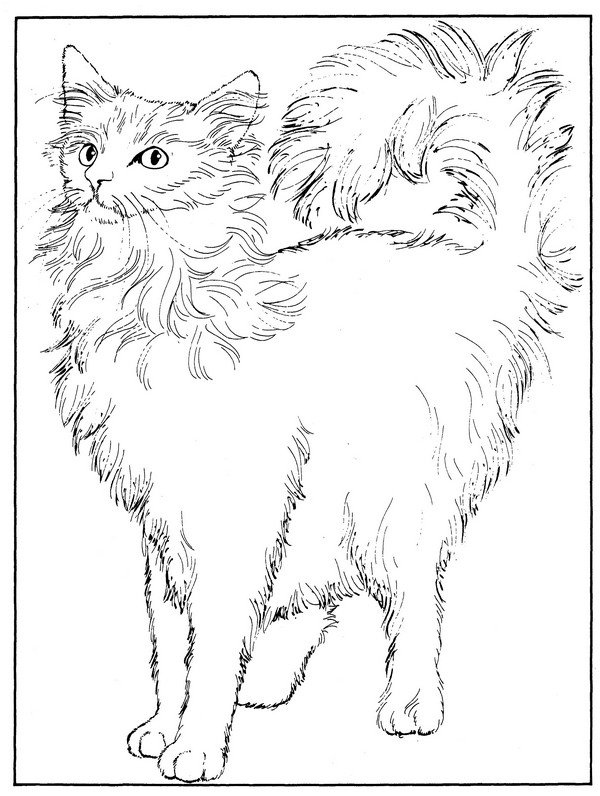
Angora Coloring Page
-
people in our world
“Every day there are people in our world that do absolutely amazing things. People of all ages are very capable of doing tremendous, courageous things in spite of their fear.” Mairead Corrigan

-
Relaxation
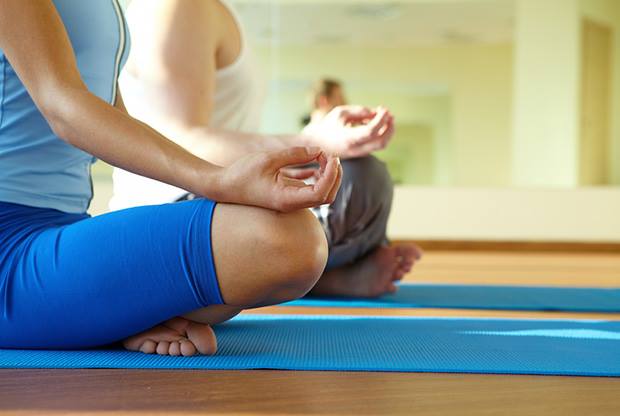
I started engaging in relaxation tools as a teenage in the mid 70’s when I first started practicing Hatha and Raja Yoga. After 38 years I can say with confidence that it works for me. Since 1983 amongst other things I have taught Hatha Yoga, and relaxation techniques.
In the past 30 years, there has been considerable interest in the relaxation response and how inducing this state may benefit health. Research has focused primarily on illness and conditions in which stress may play a role either as the cause of the condition or as a factor that can make the condition worse.

Currently, there is some scientific evidence that relaxation techniques may be an effective part of an overall treatment plan for some disorders, including:
- Anxiety. Studies have suggested that relaxation may assist in the treatment of phobias or panic disorder. Relaxation techniques have also been used to relieve anxiety for people in stressful situations, such as when undergoing a medical procedure.
- Depression. In 2008, a major review of the evidence for relaxation in the treatment of depression found that relaxation techniques were more effective than no treatment for depression, but not as effective as cognitive-behavioral therapy.
- Headache. There is some evidence that biofeedback and other relaxation techniques may be helpful for relieving tension or migraine headaches. In some cases, these mind and body techniques were more effective than medications for reducing the frequency, intensity, and severity of headaches.
- Pain. Some studies have shown that relaxation techniques may help reduce abdominal and surgery pain.
Relaxation involves practice and willingness to fully engage in the process of relaxing. Stay tuned for some great relaxing tools.
-
Addicted And Pregnant
by KARI ANN RINKER. Article from NPR
I bought my first and only pregnancy test when I was 26.At the time, I had been doing a lot of meth. I was fortunate if I remembered to eat one meal a day. Refilling my birth-control prescription had become just another missed detail in a life that had ceased to have much meaning for me.

I was an addict, and I was staring at two very bright pink lines on a stick.
I showed the test to my boyfriend. “What are we going to do?” I asked. He replied, “Have a baby, I guess.”
He wanted to see the pregnancy through. I was much less certain about motherhood. How would the pregnancy affect my drug and alcohol use? I don’t recall ever feeling as vulnerable and afraid as I did then. Read more click here.
-
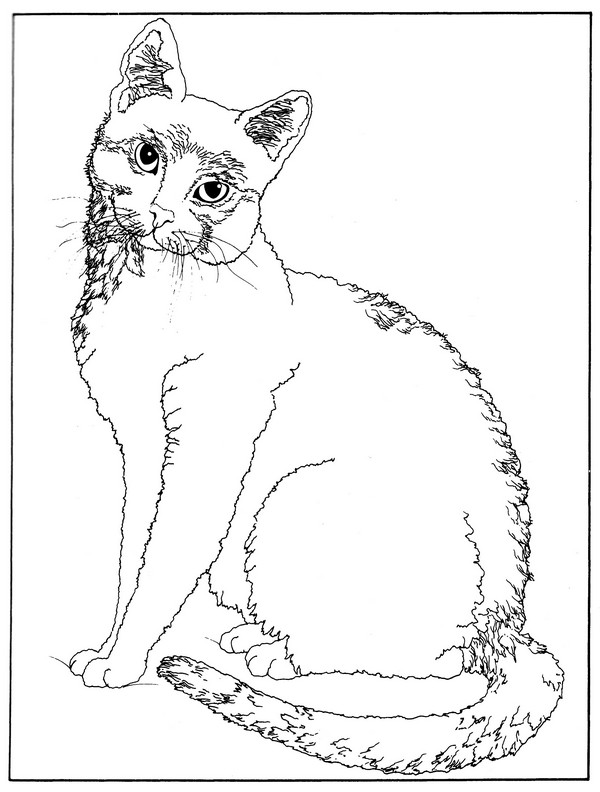
American Wirehair Coloring Page
-
The Growing Edge
Every moment of life invites us to open our eyes to what Howard Thurman calls “the growing edge” of life, and aspire to grow with it. As he says, nothing embodies the growing edge better than a newborn — or, I’d say, a very young child.
A wonderful and interesting article from PARKER J. PALMER. Click here for more.
-
Clients find healing, self-expression through restorative art program
Hung on the walls of the Sister Mary Alice Murphy Center for Hope, you can see — and even purchase — Jim Lucas’ saving grace.
The formerly homeless Fort Collins man is a recovering addict who has been clean for four years after a 15-year struggle with meth, his “drug of choice.” He hasn’t had a drink in 11 years. He found his way off the streets around the same time he became clean.
“Funny how that works out,” he said.
The struggle to go back to methamphetamine and substance abuse is always there, but Lucas, 53, has the best sober companion he could ask for: art. He’s one of around 15 artists participating in ArtSpe@k, a restorative art program at the Murphy Center in partnership with Front Range Community College’s community studio that encourages Murphy Center guests to tap into their creative side. For more click. -
Integration & Mindfulness
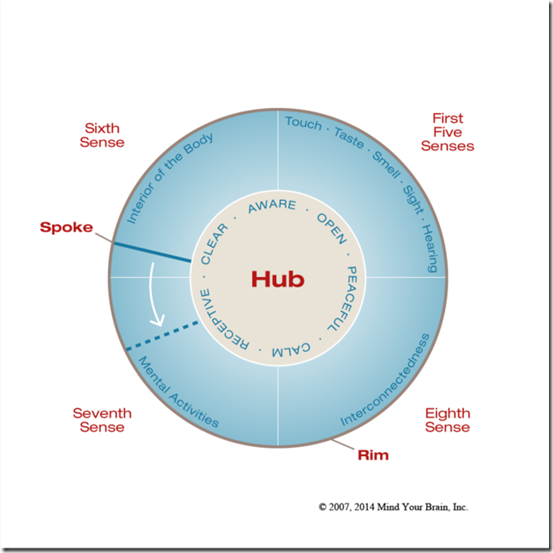
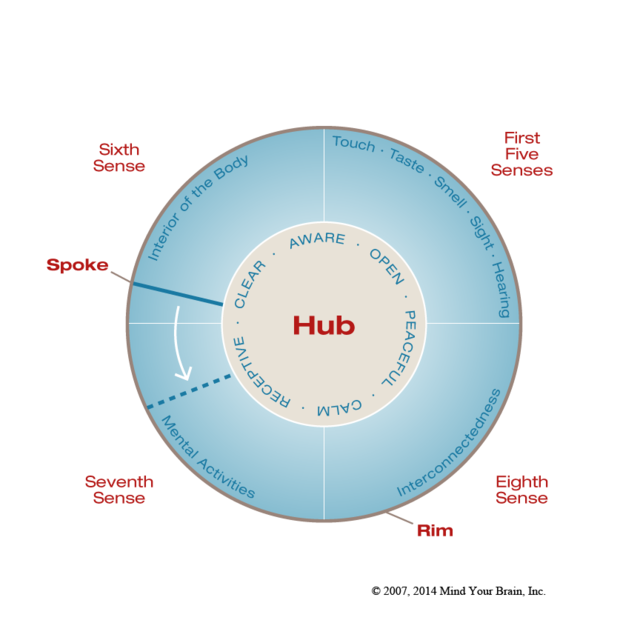
Mindful awareness can be considered as a way of being, more than something that involves our “doing” something. Engage a certain “state of mind” that has the range of qualities we have heard repeatedly even though there is no fixed and final definition of mindfulness: How we pay attention (different from awareness), on purpose (but it doesn’t have to be done with active effort, it can in fact be an intention that happens “automatically” as a habit of being, not a consciously thought out plan of carrying out a way of focusing attention) to the unfolding of present moment experience (but, in fact, we can pay attention to memories of the past or plans for the future—but do so…) with a sense alertness, attention to detail, and with kindness and compassion. READ THE ENTIRE ARTICLE @ PSYCHOLOGY TODAY
-
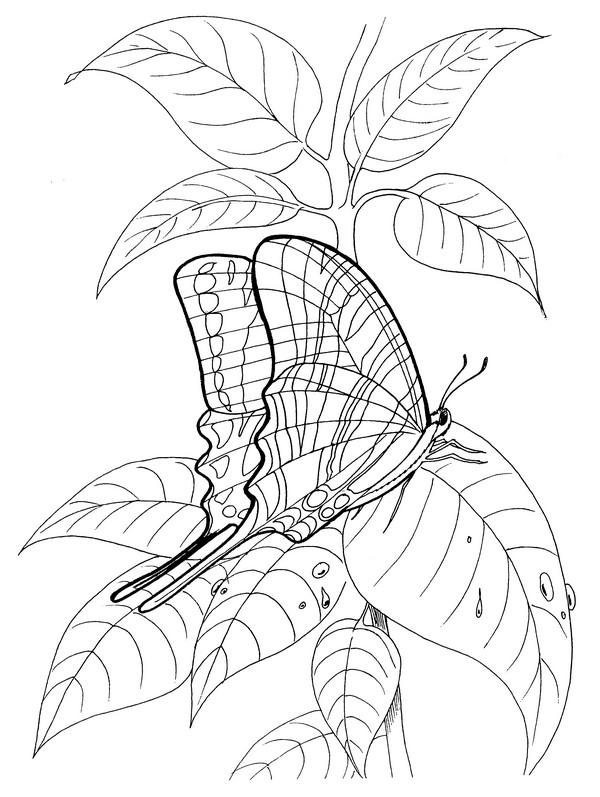
Zebra Swallowtail Coloring Page
-
ourselves
“We do not think ourselves into new ways of living, we live ourselves into new ways of thinking.” Richard Rohr


 CreativeTherapyTools