
-
Eastern Bluebird Coloring Page

-
Adopting a wider perspective
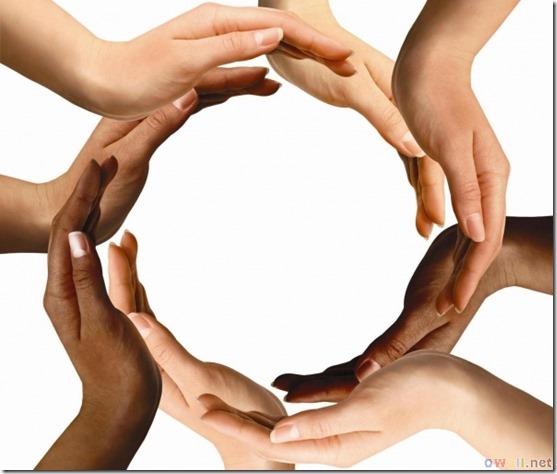
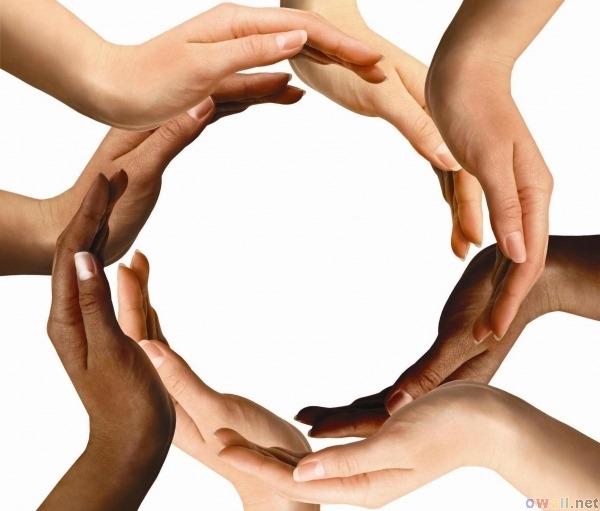
Adopting a wider perspective includes working cooperatively with others. Crises that are global by nature, such as problems related to climate change or the modern economic structure, call for coordinated and concerted efforts among many people, with a sense of responsibility and commitment – this is more encompassing than any individual or personal issue. Dalai Lama
-
Acceptance
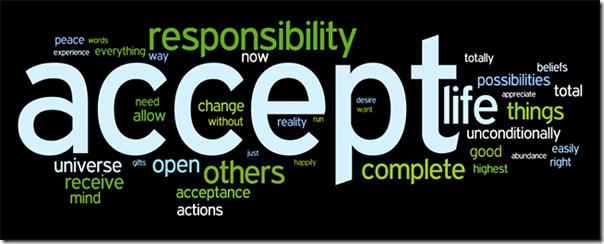
Acceptance is outcomes without attachments, guilt, shame, remorse, self pity, resentment, fear, anger, etc. These are the tools of the disease of addiction. To maintain Recovery One must maintain a state of Acceptance.
-
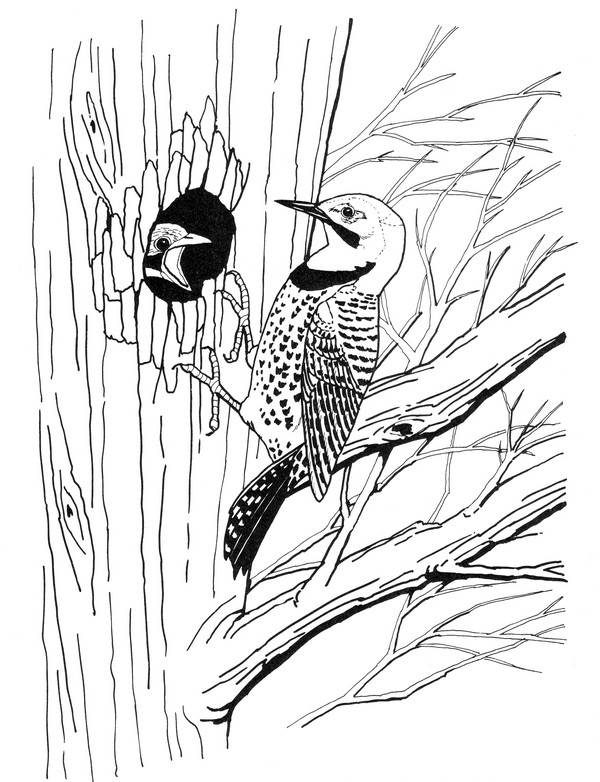
Flicker Coloring Page
-
What is Dance Movement Therapy?
According to the American Dance Therapy Association (ADTA): Based on the understanding that the body and mind are interrelated, dance/movement therapy (D/MT) is defined as the psychotherapeutic use of movement to further the emotional, cognitive, physical, and social integration of the individual. Dance/movement therapy is practiced in mental health, rehabilitation, medical, educational, and forensic settings, and in nursing homes, day care centers, disease prevention, and health promotion programs. The dance/movement therapist focuses on movement behavior as it emerges in the therapeutic relationship. Expressive, communicative, and adaptive behaviors are all considered for both group and individual treatment. Body movement as the core component of dance simultaneously provides the means of assessment and the mode of intervention for dance/movement therapy.
I often define D/MT to clients as psychotherapy that is not limited to talking but encompasses the full range of human expression, including movement such as gestures and or postures, drawing, writing, drama, music and other expressions that can have a therapeutic benefit for the client(s).
Dance Movement Therapy is a creative arts therapy rooted in the expressive nature of dance. Since dance/movement comes from the body it is considered the most fundamental of the arts and is a direct expression (and experience) of the self. Dance/movement is a basic form of authentic communication, and as such it is an especially effective medium for therapy.
Dance/movement therapists (R-DMT or BC-DMT) work with individuals of all ages, groups and families in a wide variety of settings. They focus on helping their clients improve self-esteem and body image, develop effective communication skills and relationships, expand their movement vocabulary, gain insight into patterns of behavior, as well as create new options for coping with problems. Movement is the primary medium DMT’s use for observation, assessment, research, therapeutic interaction, and interventions.
DMT’s work in settings that include psychiatric and rehabilitation facilities, schools, nursing homes, drug treatment centers, counseling centers, medical facilities, crisis centers, and wellness and alternative health care centers.
-
Art and Asthma
The fear and anxiety associated with an asthma attack can last long after the attack has subsided. Now research, published online in the Journal of Allergy & Clinical Immunology, reports that the art therapy showed benefits both during the therapy and for months afterward. “Asthma impacts not only a child’s physical well-being but also has a considerable effect on a child’s quality of life and psychological development,” said Anya Beebe, MA, an art therapist at National Jewish Health. “Our study shows that art therapy for children with severe, chronic asthma is clearly beneficial. Our results were striking and persisted for months after treatment stopped.”
In art therapy, patients create artwork that helps express their feelings about an illness, a trauma or medical concerns. The artwork can then serve as a starting point for discussions about these issues. Researchers believe that creating art helps participants establish distance between themselves and their medical concerns. They learn to understand that they have a personal identity outside of their illness. It is believed to be particularly effective with children because they often do not have the adult capabilities to verbally articulate their emotions, perceptions, or beliefs, and often can more comfortably convey ideas in ways other than talking.
You can read more at the National Jewish Health website.
-
foot
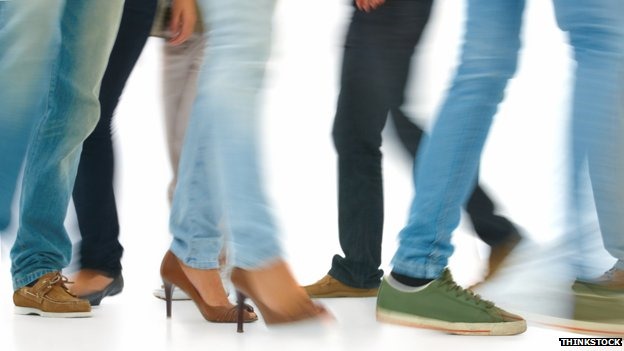
Dancing is the poetry of the foot. John Dryden
-
Goldfinch Coloring Page

-
8 Essentials for Recovery from Addiction
-
Asanas that chase away the blues
Nice article from the Times of India, citing research using Yoga Asanas: Among the many clinical researches being conducted at Nimhans , one involved patients of an old-age home who were exposed to six months of yoga therapy. MRI scans taken before and after showed an increase in the size of the hippocampus, the brain’s memory index. “It was larger than before because the grey matter had increased. The results will be published in a scientific journal shortly ,” adds Gangadhar. The hippocampus is vulnerable to stress and atrophy is seen in patients of schizophrenia, post-traumatic stress disorder (PTSD) and severe depression. “Yoga acts as an antidepressant ,” he says. Read the entire article here.


 CreativeTherapyTools