
-
Cultural Factors in Psychiatric Care: Focus on Asian Mental Health
Dr. Descartes Li explores the ways that culture influences mental health. He looks at the effects of cultural identify and the models of illness. He also explores the stressors and supports and the elements of the relationship with the clinicians and the resulting treatment plan. Recorded on 02/26/2020. UCTV is the broadcast and online media platform of the University of California.
-
healthy sick
“It’s not healthy to be well adjusted to a profoundly sick society” Jiddu Krishnamurti
-
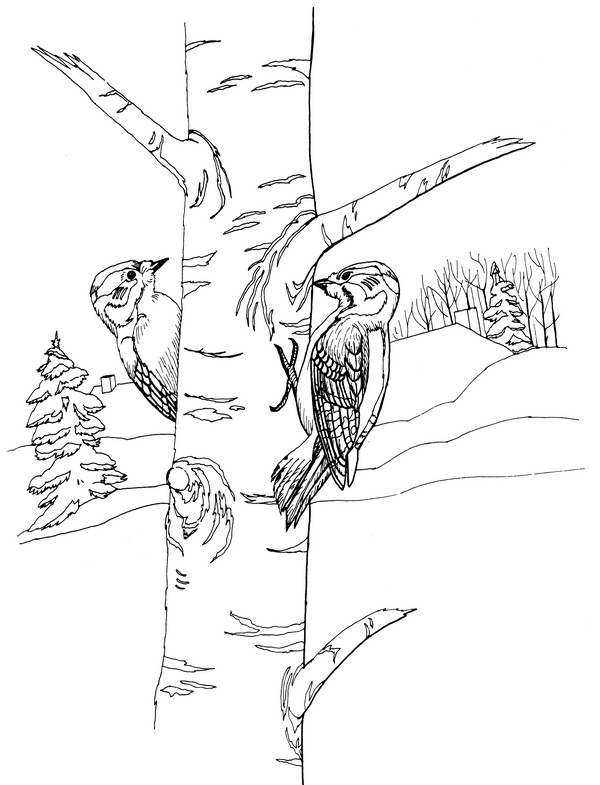
Downy Woodpecker Coloring Page
-
Asanas that chase away the blues
Nice article from the Times of India, citing research using Yoga Asanas: Among the many clinical researches being conducted at Nimhans , one involved patients of an old-age home who were exposed to six months of yoga therapy. MRI scans taken before and after showed an increase in the size of the hippocampus, the brain’s memory index. “It was
 larger than before because the grey matter had increased. The results will be published in a scientific journal shortly ,” adds Gangadhar. The hippocampus is vulnerable to stress and atrophy is seen in patients of schizophrenia, post-traumatic stress disorder (PTSD) and severe depression. “Yoga acts as an antidepressant ,” he says. Read the entire article here.
 -
Relaxation
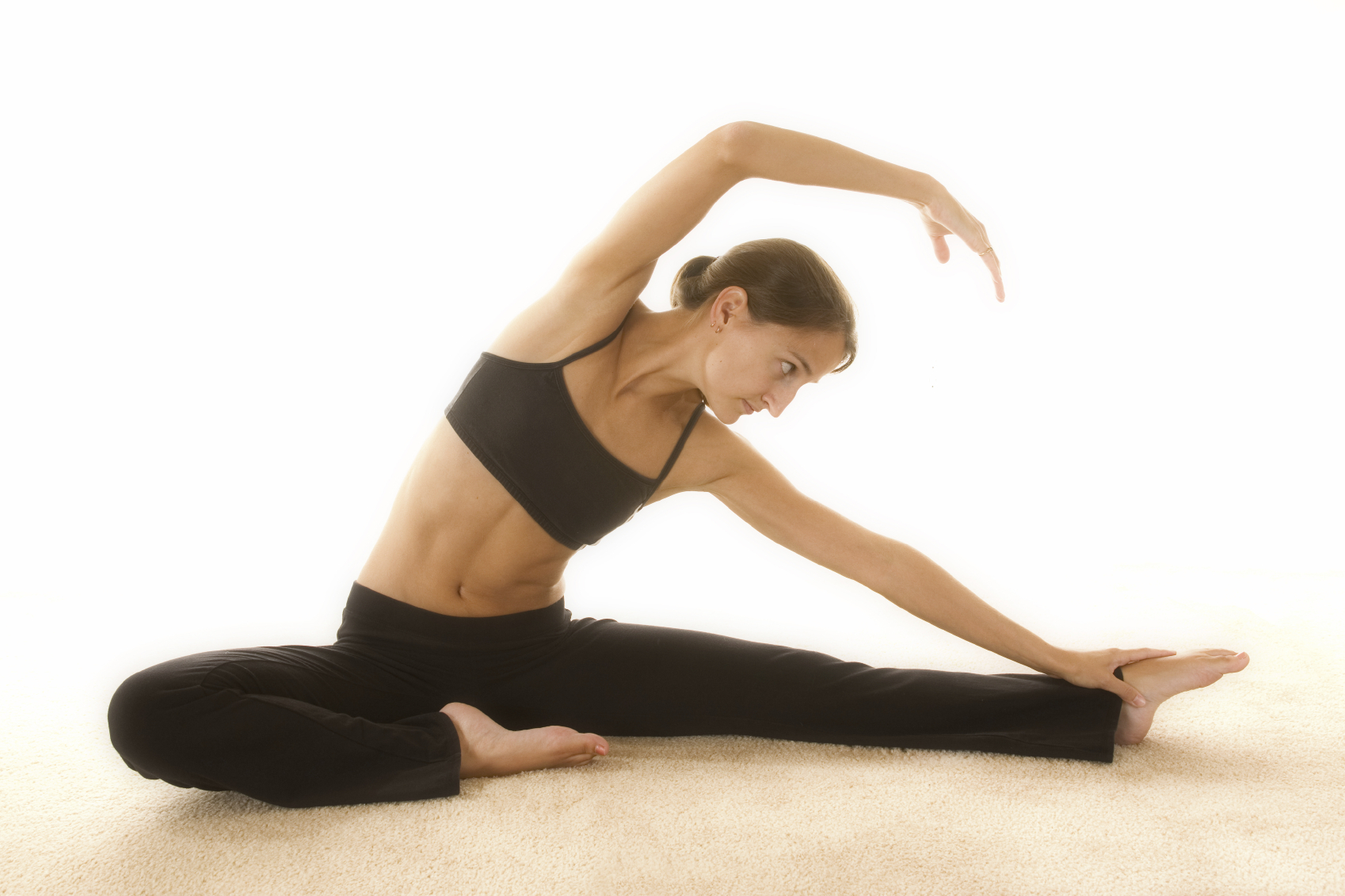
I started engaging in relaxation tools as a teenage in the mid 1970’s when I first started practicing Hatha and Raja Yoga. After 38 years I can say with confidence that it works for me. Since 1983 amongst other things I have taught Hatha Yoga, and relaxation techniques.
In the past 30 years, there has been considerable interest in the relaxation response and how inducing this state may benefit health. Research has focused primarily on illness and conditions in which stress may play a role either as the cause of the condition or as a factor that can make the condition worse.
Currently, there is some scientific evidence that relaxation techniques may be an effective part of an overall treatment plan for some disorders, including:
- Anxiety. Studies have suggested that relaxation may assist in the treatment of phobias or panic disorder. Relaxation techniques have also been used to relieve anxiety for people in stressful situations, such as when undergoing a medical procedure.
- Depression. In 2008, a major review of the evidence for relaxation in the treatment of depression found that relaxation techniques were more effective than no treatment for depression, but not as effective as cognitive-behavioral therapy.
- Headache. There is some evidence that biofeedback and other relaxation techniques may be helpful for relieving tension or migraine headaches. In some cases, these mind and body techniques were more effective than medications for reducing the frequency, intensity, and severity of headaches.
- Pain. Some studies have shown that relaxation techniques may help reduce abdominal and surgery pain.
Relaxation involves practice and willingness to fully engage in the process of relaxing. Stay tuned for some great relaxing tools.
-
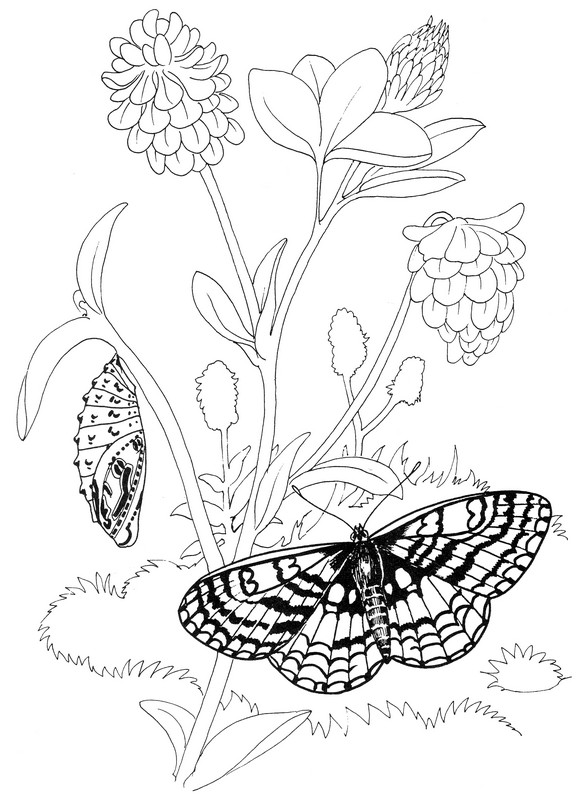
Chalcedon Checkerspot Coloring Page
-
Meditation for as short as 8 weeks can change your brain
Participants in the study spent close to a half-hour every day meditating or practicing some other mindfulness exercise (notable because most people associate meditation with sitting and thinking quietly, and that’s not the only type of exercise done in the study) for about eight weeks. They got MRIs of their brains before and after the eight week exercise, and when the study was over, many of the study’s 16 participants showed significant changes in the areas of the brain associated with behavior, memory, and stress. For more click the link below.
http://lifehacker.com/5989078/how-meditating-for-eight-weeks-can-boost-your-brain -
Coloring Page Mandala
-
Water colors
One Creative Therapy Tool that I use is to paint. Some times
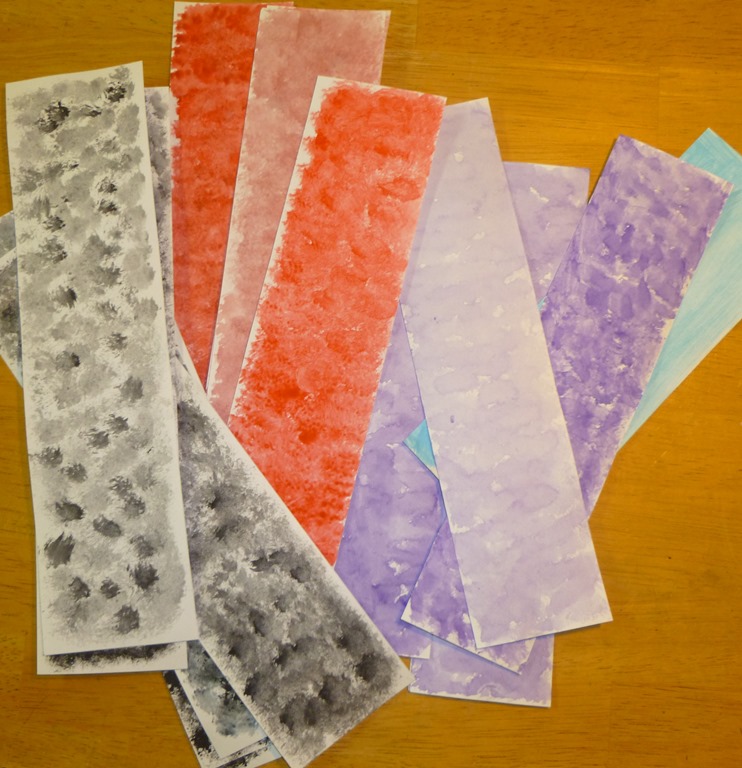
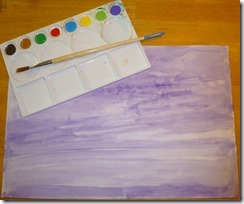 pictures of actual ‘things’ like trees or boats; but I usually paint shapes. Lately I have been using water colors to paint shades and gradients of color. Colors shifting from one type of purple(for instance) to a deeper purple.
There is a lot going on in the simple act of painting color that involves cognitive processes, emotional expression, mindfulness practice, amongst others. There is the hand eye coordination, and the movement of the body
 (hand,arm shoulder), to apply the paint to the brush, water and paper. There is the picking and choosing of colors that I want to use; sometimes I pick a color that has a pleasing effect on how I feel, and sometimes that choice changes how I feel. The act of painting requires focus and at least a little concentration being in the here and now.
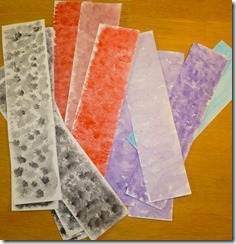
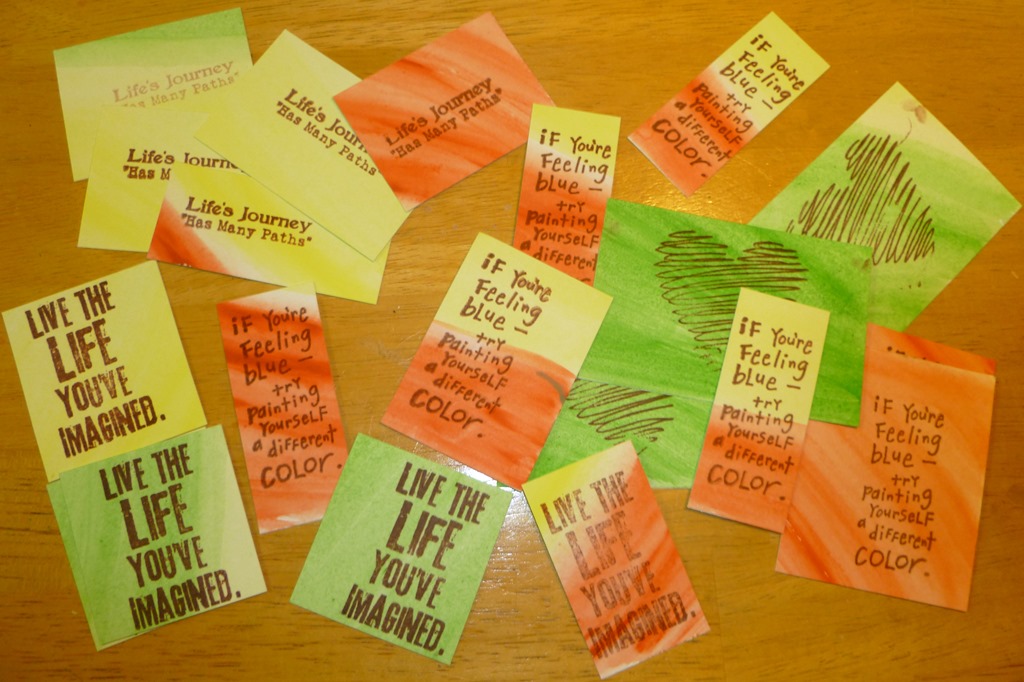
I have been turning my gradient paintings in to therapy cards. I work a lot with groups providing therapy and often participants have difficulty expressing their feelings and/or thoughts.
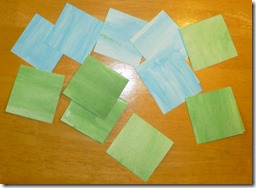 The cards provide an avenue for people to share/start a conversation. I have created affirmation cards, feelings cards, drama therapy cards, movement cards, yoga asana cards, and many others.
(click image for larger size)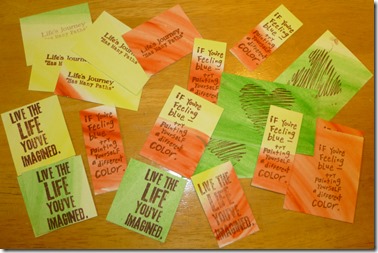
-
fly
All the efforts of the human mind cannot exhaust the essence of a single fly. Thomas Aquinas





 CreativeTherapyTools