
-
Daily marijuana use has a measurable effect on the brain, a new study finds.
Teenagers who smoked marijuana daily for three years performed poorly on memory tasks and showed abnormal changes in brain structure, according to a Northwestern Medicine study. Researchers in Chicago observed the brains of teenagers who were heavy users of marijuana. In those individuals, memory-related structures in the brain appeared to shrink and collapse inward, possibly indicating a decrease in neurons.
These abnormalities were recorded two years after the teens stopped using marijuana, possibly indicating long-term effects, and look similar to schizophrenia-related brain abnormalities.
The brains were shaped more abnormally for individuals who began marijuana use at a younger age, according to the reports, which suggest that memory regions of the brain are more susceptible to the drug at earlier ages.
The research was published in the December issue of Schizophrenia Bulletin.
-
Relapse Stages
One of the hand outs I use with groups. This is a shorten version of Relapse Stages and just a starting off point for further discussion.
First stage – I am un aware. I don’t see it, and have no idea I am in trouble. (people around us may notice subtle changes in attitude and behavior).
Second Stage – We become restless, incurable and discontent. Our focus shifts from internal to external, we stop focusing on ourselves and start focusing on other people around us. We start blaming; acting the victim, fear and anger start to become evident.
Third stage – Unresolved feelings occur and they are not dealt with in a healthy manner. We go into the emotional and physical withdrawal, than start to isolate. Negative attitudes start to predominate such as compulsive behavior, we start discounting recovery, we may engage in magical thinking.
Fourth stage – A crisis in our life provides the excuse for us to start using it again, or we create a crisis that rationalizes are returned to use. In other words, we have made the decision to use, and are ready to light the fuse.

As we move through the stages of relapse, a few different things are occurring. Firstly, the need to regain our ‘right’ to re-engage in our addiction seems to make sense. We talk ourselves into the false belief that this time we can control it.
There’s a gradual and progressive destabilization of our lifestyle. Lastly, Stress and Stressors will accelerate this process.
-
change
“Every great dream begins with a dreamer. Always remember, you have within you the strength, the patience, and the passion to reach for the stars to change the world.” Harriet Tubman

-
Pomeranian & Chiuahua Coloring Page

-
Relaxation & stressless
Stress is one reason people report relapsing and using substances/intoxicants. I’ve been teaching a stress less/relaxation class for years and below is one the handouts that participants report is most helpful.:
Change the situation: Avoid – Alter. Change your reaction: Adapt – Accept
1. Avoid unnecessary stress
Not all stress can be avoided, and it’s not healthy to avoid a situation that needs to be addressed.
Learn how to say “no” – Know your limits and stick to them.
Avoid people who stress you out –Limit the amount of time you spend with people that cause you stress.
Take control of your environment – If the evening news makes you anxious, turn the TV off.
Avoid hot-button topics –If you repeatedly argue about the same subject with the same people, stop bringing it up or excuse yourself when it’s the topic of discussion.
Pare down your to-do list –If you’ve got too much on your plate, distinguish between the “shoulds” and the “musts.”
2. Alter the situation
If you can’t avoid a stressful situation, try to alter it. Figure out what you can do to change things so the problem doesn’t present itself in the future.
Express your feelings instead of bottling them up. If something or someone is bothering you, communicate your concerns in an open and respectful way.
Be willing to compromise. When you ask someone to change their behavior, be willing to do the same.Be more assertive. Deal with problems head on, doing your best to anticipate and prevent them.
Manage your time better. Plan ahead and make sure you don’t overextend yourself.
3. Adapt to the stressor
If you can’t change the stressor, change yourself. You can adapt to stressful situations and regain your sense of control by changing your expectations and attitude.
Reframe problems. Try to view stressful situations from a more positive perspective.
Look at the big picture. Will it matter in a month, or a year?
Adjust your standards. Set reasonable standards for yourself and others, and learn to be okay with “good enough.”
Focus on the positive. When stress is getting you down, take a moment to reflect on all the things you appreciate in your life, including your own positive qualities and gifts.
4. Accept what you can’t change
Some sources of stress are unavoidable, in such cases; the best way to cope with stress is to accept things as they are. Acceptance may be difficult, but in the long run, it’s easier than railing against a situation you can’t change.
Don’t try to control the uncontrollable. Focus on the things you can control such as the way you choose to react to problems.
Look for the upside. As the saying goes, “What doesn’t kill us makes us stronger.” When facing major challenges, try to look at them as opportunities for personal growth.
Share your feelings. Talk to a trusted friend or make an appointment with a therapist.
Learn to forgive. Accept the fact that we live in an imperfect world and that people make mistakes.
-
Opioid Use & Pain
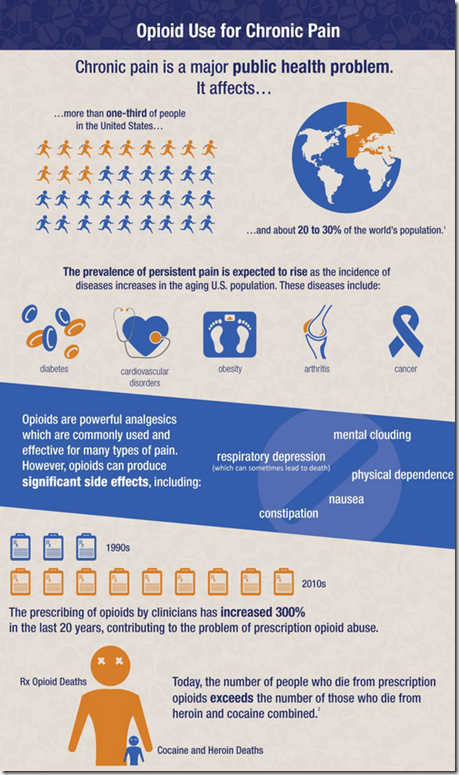
Opioid prescriptions have increased three-fold over the past two decades, and we have seen how this skyrocketing availability of medications has helped create a new drug abusing population, some of whom suffer severe health consequences. More deaths now occur as a result of overdosing on prescription opioids than from all other drug overdoses combined, including heroin and cocaine. The opioid epidemic is tied closely to another epidemic in our country, that of chronic pain—although the ties are very complex. Read More HERE
-
changing
“Everyone thinks of changing the world, but no one thinks of changing himself.” ~ Leo Tolstoy

-
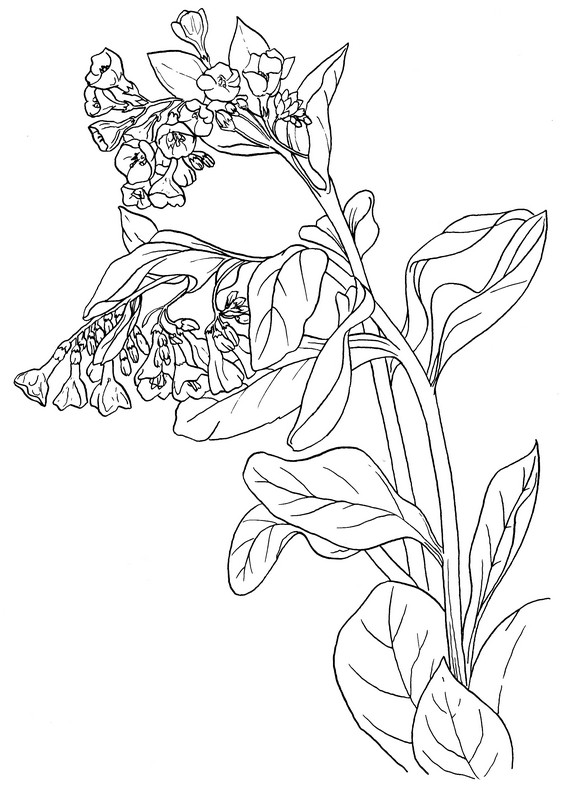
Bluebells Coloring Page
-
meditation
Dedicating some time to meditation is a meaningful expression of caring for yourself that can help you move through the mire of feeling unworthy of recovery. As your mind grows quieter and more spacious, you can begin to see self-defeating thought patterns for what they are, and open up to other, more positive options. Sharon Salzberg

-
journey
”And the world cannot be discovered by a journey of miles, no matter how long, but only by a spiritual journey, a journey of one inch, very arduous and humbling and joyful, by which we arrive at the ground at our feet, and learn to be at home.” Wendell Berry



 CreativeTherapyTools