
-
Our treasure
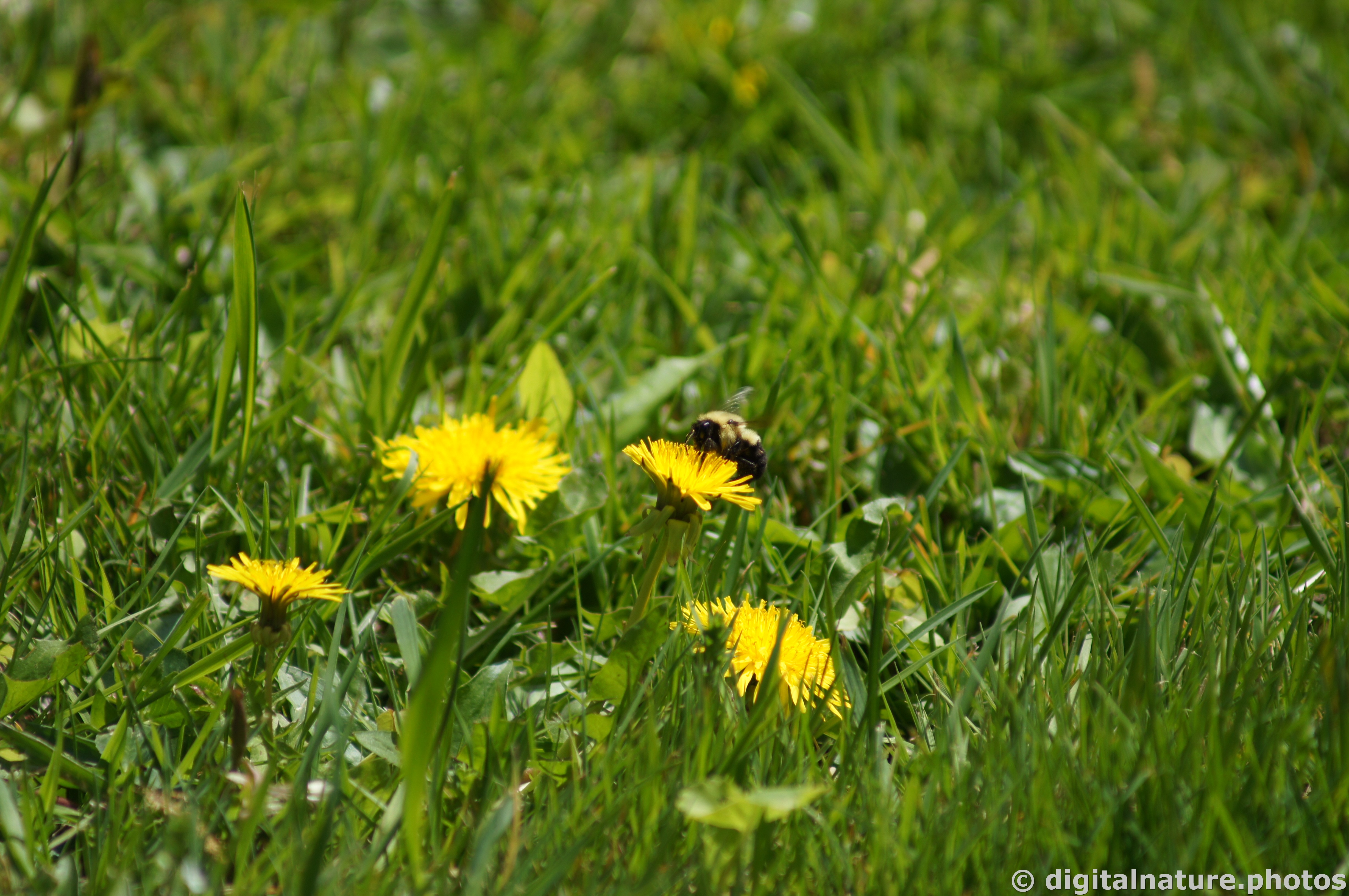
Our treasure lies in the beehive of our knowledge. We are perpetually on the way thither, being by nature winged insects and honey gatherers of the mind. Friedrich Nietzsche
-
Meditation and Pain management
According to a new study, mindfulness meditation exhibited even stronger physical pain reductions than morphine, says the study’s lead investigator
Open any magazine and you’ll find that mindfulness has gone mainstream. You’ll also notice there are studies that purport to show meditation’s benefits on just about everything, from kids’ math scores and migraine length to HIV management and bouncing back after a crisis. Now, an elaborate new forthcoming study looks at how the brains of meditators respond to pain, to be published in the Journal of Neuroscience.
 Dr. Fadel Zeidan, assistant professor of neurobiology and anatomy at Wake Forest Baptist Medical Center, has studied mindfulness for 15 years and has observed improved health outcomes as a result. “But what if this is all just a placebo?” he wondered. “What if people are reporting improvements in health and reductions in pain just because of meditation’s reputation as a health-promoting practice?” He wanted to find out, so he designed a trials that included a placebo group.
Zeidan recruited 75 healthy, pain-free people and scanned their brains using an MRI while they experienced painful heat with a 120-degree thermal probe. Then, the researchers sorted them into four groups and gave them four days of training. Everyone thought they were getting the real intervention, but most of them were getting a sham treatment.
“I want to be restrained about the efficacy of mindfulness, and the way to be restrained about it is by making it harder and harder to demonstrate its effectiveness,” Zeidan says.
First, there was a placebo cream group that participants were told reduces pain over time, Zeidan says (it was really just petroleum jelly). For four days, they rubbed it on the back of their leg and tested it against that painfully hot thermal probe. Little did they know, the researchers cranked down the heat each day; the participants thought the cream was working.
Another group was taught a kind of fake mindfulness meditation—they were told to breathe deeply for 20 minutes but were given no instructions on how to do it mindfully. The control group was subjected to 20 minutes of a very boring book on tape: The Natural History and Antiquities of Selborne.

For the real intervention, people sat for 20 minutes with straight posture, closed their eyes and listened to specific instructions about where to focus one’s attention and how to let thoughts and emotions pass without judgment. “Our subjects are taught to focus on the changing sensations of breath and to follow the breath with the mind’s eye as it goes down the chest and abdomen,” Zeidan says.
After four days, everyone re-entered the MRI machine and endured the same pain from the 120-degree probe. They were told to use their training—breathing deeply, mindfully meditating or the cream. They used a lever to indicate the physical intensity and emotional unpleasantness of the pain.
They found that people in all of the groups had greater pain reductions than the control group. The placebo cream reduced the sensation of pain by an average of 11% and emotional unpleasantness of pain by 13%. For the sham mindfulness group, those numbers were 9% and 24% respectively. But mindfulness meditation outperformed them all. In this group, pain intensity was cut by 27% and emotional pain reduced by 44%.
That shocked Zeidan. Past research has indicated that the opioid morphine reduces physical pain by 22%—and mindfulness had surpassed even that. But the MRI results, which showed how pain was registering in their brains, surprised him even more. People who had practiced mindfulness meditation seemed to be using different brain regions than the other groups to reduce pain.
“There was something more active, we believe, going on with the genuine mindfulness meditation group,” Zeidan says. This group had increased activation in higher-order brain regions associated with attention control and enhanced cognitive control, he says, while exhibiting a deactivation of the thalamus—a structure that acts as the gatekeeper for pain to enter the brain, he explains. “We haven’t seen that with any other technique before.”

It’s an important preliminary study, Zeidan says, but exactly who will benefit from meditation’s impact on pain is still unknown. “We’re now at the stage, at least in my lab, where we have enough evidence that meditation reduces pain and it does it in a really unique fashion, different from any other technique we’ve seen,” he says.
And as for the questions left unanswered? “We don’t have the studies yet,” he says, “but we’re getting there.”
-
Anger Management
Over the years I have facilitated anger management groups. I use a variety of handouts and activities to have a process oriented group interaction. One of the hand outs I use is below. I use it in 1 of 2 ways. I have folks fill it out first and then we discuss or we go through it together and discuss. We explore as a group, learning from each other. ANGER WORDSanger disgust grumpiness rage aggravation dislike hate resentment agitation envy hostility revulsion annoyance exasperation irritation scorn bitterness ferocity jealousy spite contempt frustration loathing torment cruelty fury mean-spiritedness vengefulness destructiveness grouchiness outrage wrathOther:_________________________Prompting Events for Feeling AngerLosing power.Losing status.Losing respect.Being insulted.Not having things turn out the way you expected.Experiencing physical pain.Experiencing emotional pain.Being threatened with physical or emotional pain by someone or something.Having an important or pleasurable activity interrupted, postponed, or stopped.Not obtaining something you want (which another person has).Other:_______________________________Interpretations That Prompt Feelings of AngerExpecting pain.Feeling that you have been treated unfairly.Believing that things should be different.Rigidly thinking “I’m right.”Judging that the situation is illegitimate, wrong, or unfair.Ruminating about the event that set off the anger in the first place, or in the past.Other:____________________________Experiencing the Emotion of AngerFeeling incoherent.Feeling out of control.Feeling extremely emotional.Feeling tightness or rigidity in your body.Feeling your face flush or get hot.Feeling nervous tension, anxiety or discomfort.Feeling like you are going to explode.Muscles tightening. .Teeth clamping together, mouth tightening.Crying; being unable to stop tears.Wanting to hit, bang the wall, throw something, blow up.Other:__________________________Expressing and Acting on AngerFrowning or not smiling; mean or unpleasant facial expression.Gritting or showing your teeth in an unfriendly manner.Grinning.A red or flushed face.Verbally attacking the cause of your anger; criticizing.Physically attacking the cause of your anger.Using obscenities or cursing.U sing a loud voice, yelling, screaming, or shouting.Complaining or bitching; talking about how lousy things are.Clenching your hands or fists.Making aggressive or threatening gestures.Pounding on something, throwing things, breaking things.Walking heavily or stomping; slamming doors, walking out.Brooding or withdrawing from contract with others.Other:_____________________Aftereffects of AngerNarrowing of attention.Attending only to the situation making you angry.Ruminating about the situation making you angry and not being able to think of anything else.Remembering and ruminating about other situations that have made you angry in the past.Imagining future situations that will make you angry.Depersonalization, dissociative experience, numbness.Intense shame, fear, or other negative emotions.Other:______________________
 -
Injury
Currently recovering from an injury and will start posting again in a week or so.

-
one more
“…I keep looking for one more teacher, only to find that fish learn from the water and birds learn from the sky.” Mark Nepo
-
small things

Do not wait for leaders; do it alone, person to person. Be faithful in small things because it is in them that your strength lies. Mother Teresa
-
Meditation has Long-term Effects on the Brain
According to scientists from Harvard and Boston University, meditation produces enduring changes in emotional processing in the brain according to an article published in November of 2012 in the journal Frontiers in Human Neuroscience.
Researchers trained people with one of two different types of meditation, mindful meditation and compassionate meditation over an 8 week period. They measured activity in the brain using functional MRIs 3 weeks before the study and at 3 weeks after and noted what happened to areas of the brain related to compassion. They found the those people who learned compassionate meditation had a different and more loving response 3 weeks after the course even when not meditating.
-
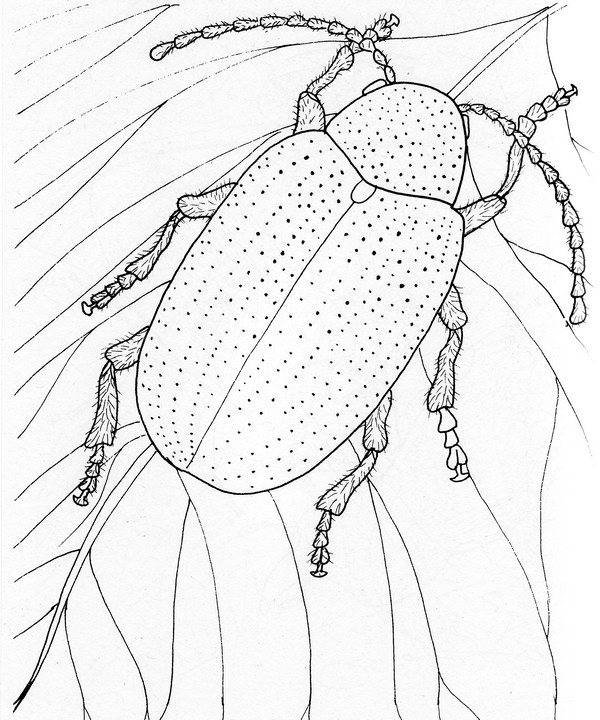
Coloring Page Dogbane Beetle
-
Applying Mindfulness-Based Cognitive Therapy to Treatment
-
make you
If I love you, I have to make you conscious of the things you don’t see. James Baldwin




 CreativeTherapyTools