Home

  • Study brain can be trained in compassion

    Researchers at the Center for Investigating Healthy Minds at the Waisman Center of the University of Wisconsin-Madison examined whether training adults in compassion can result in greater altruistic behavior and related changes in neural systems underlying compassion.
    In the study, the investigators trained young adults to engage in compassion meditation, an ancient Buddhist technique to increase caring feelings for people who are suffering.
    In the meditation, participants envisioned a time when someone has suffered and then practiced wishing that his or her suffering was relieved.8d337-260291_10151674843907518_1073142538_n
    Participants practiced with different categories of people, first starting with a loved one, someone whom they easily felt compassion for, like a friend or family member. Then, they practiced compassion for themselves and a stranger.
    Finally, they practiced compassion for someone they actively had conflict with called the “difficult person”, such as a troublesome coworker or roommate.
    “It’s kind of like weight training. Using this systematic approach, we found that people can actually build up their compassion ‘muscle’ and respond to others’ suffering with care and a desire to help,” said Helen Weng, lead author of the study and a graduate student in clinical psychology.
    Compassion training was compared to a control group that learned cognitive reappraisal, a technique where people learn to reframe their thoughts to feel less negative.
    “We wanted to investigate whether people could begin to change their emotional habits in a relatively short period of time,” said Weng.
    The real test of whether compassion could be trained was to see if people would be willing to be more altruistic – even helping people they had never met.
    “We found that people trained in compassion were more likely to spend their own money altruistically to help someone who was treated unfairly than those who were trained in cognitive reappraisal,” Weng said.
    The study measured changes in brain responses using functional magnetic resonance imaging (fMRI) before and after training.
    The researchers found that the people who were the most altruistic after compassion 260291_10151674843907518_1073142538_ntraining were the ones who showed the most brain changes when viewing human suffering.
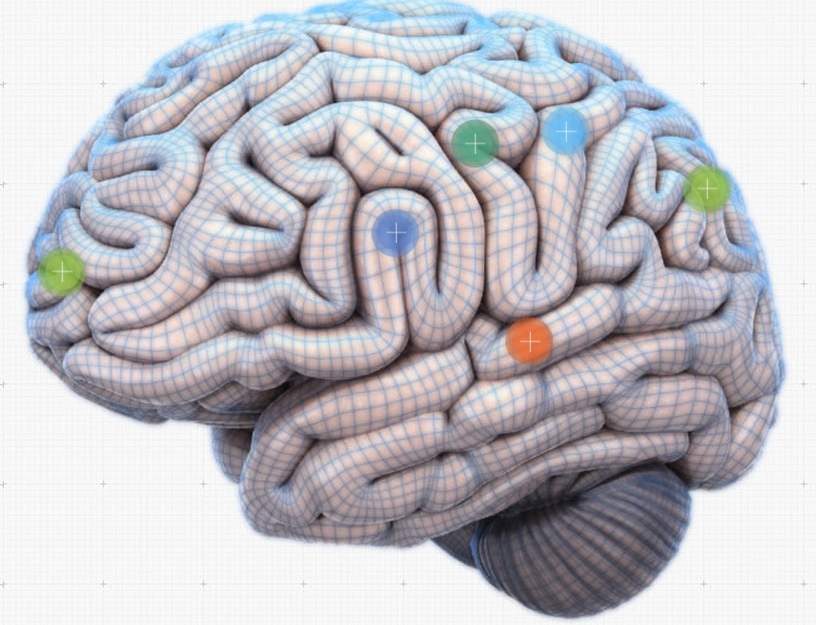
    They found that activity was increased in the inferior parietal cortex, a region involved in empathy and understanding others.
    Compassion training also increased activity in the dorsolateral prefrontal cortex and the extent to which it communicated with the nucleus accumbens, brain regions involved in emotion regulation and positive emotions.

  • Emotional Intelligence

    I often work with groups using lists. In movement therapy as well as psychotherapy, educational and process oriented groups lists are a great structure for groups to explore thoughts, and/or feelings. Here is a list that often comes up in groups ten suggestions about feelings.
    1. Become emotionally literate. Label your feelings, rather than labeling people or situations.
    Use three word sentences beginning with “I feel”.
    Start labeling feelings; stop labeling people & situations msclip-210
    “I feel impatient.” vs “This is ridiculous.” I feel hurt and bitter”. vs. “You are an insensitive jerk.”
    “I feel afraid.” vs. “You are driving like an idiot.”
    2. Distinguish between thoughts and feelings.
    Thoughts: I feel like…& I feel as if…. & I feel that
    Feelings: I feel: (feeling word)
    3. Take more responsibility for your feelings.
    “I feel jealous.” vs. “You are making me jealous.”
    Analyze your own feelings rather than the action or motives of other people. Let your feelings help you identify your unmet emotional needs.
    4. Use your feelings to help make decisions
    “How will I feel if I do this?” “How will I feel if I don’t?”
    “How do I feel?” “What would help me feel better?”
    Ask others “How do you feel?” and “What would help you feel better?”
    5. Use feelings to set and achieve goals
    – Set feeling goals. Think about how you want to feel or how you want others to feel. (your employees, your clients, your students, your children, your partner)
    – Get feedback and track progress towards the feeling goals by periodically measuring feelings from 0-10. For example, ask clients, students, teenagers how much they feel respected from 0 to 10.
    6. Feel energized, not angry.
    Use what others call “anger” to help feel energized to take productive action.
    7. Validate other people’s feelings.
    Show empathy, understanding, and acceptance of other people’s feelings.
    8. Use feelings to help show respect for others.
    How will you feel if I do this? How will you feel if I don’t? Then listen and take their feelings into consideration.
    9. Don’t advise, command, control, criticize, judge or lecture to others.
    Instead, try to just listen with empathy and non-judgment.
    10. Avoid people who invalidate you.
    While this is not always possible, at least try to spend less time with them, or try not to let them have psychological power over you.

  • Spaniel Coloring Page

    CPDG-Spaniel-TR.jpg

  • Art therapy brings comfort to Jordan’s orphans

    After a busy art session, the classroom at Amman’s al-Hussain Social Institution buzzed with energy, as children dashed around to clean up supplies, admire their paintings and pose in the decorated masks they designed.

    These young artists have come a long way over the past few months. Aged between six and 12, the children recently completed an art therapy programme – the first of its kind – designed to aid Jordan’s orphans. The weekly sessions of painting, gluing and building provided an atmosphere of organised chaos, during which they filled canvases with the anxieties and hopes that might otherwise be difficult to express.creatiggggvity

    “It’s like regular therapy, except you use art as a medium,” art therapist and programme founder Shireen Yaish told Al Jazeera. “It’s great for those who find it difficult to verbalise things – it’s about making the unconscious conscious, in a way. My job is to make people understand what they’re making.”

    As the weeks progressed, the children participating in this programme run by the Kaynouna Art Therapy Centre came out of their shells and developed great enthusiasm for their artwork, Yaish said. Supported by the al-Aman Fund for the Future of Orphans and the Abdul Hameed Shoman Foundation, the programme also exposed the profound needs of some of Jordan’s most vulnerable children. MORE HERE

  • Why Do We Get Addicted

    Think about an experience that makes you feel good. It could be successfully completing a project at work, eating a warm chocolate chip cookie or taking a swig of whiskey. It could be a puff of a cigarette or a shopping trip. A dose of Vicodin or a hit of heroin.

    Those experiences don’t automatically lead to addiction. So what makes a particular habit or substance an addiction? What propels some people to seek out these experiences, even if they are costly or detrimental to their health and relationships? Brain-0010.jpg

    “Addiction is a biopsychosocial disorder. It’s a combination of your genetics, your neurobiology and how that interacts with psychological and social factors,” said Maureen Boyle, a public health advisor and director of the science policy branch at the National Institute on Drug Abuse. That means it’s a lot like any other chronic disorder, such as type 2 diabetes, cancer and heart disease. And just like other chronic diseases, addiction is both preventable and treatable, Boyle said, but added that if left untreated, it can last a lifetime. [Do Smokers’ Lungs Heal After They Quit?]

    The mutual mechanism

    Though everyone’s path to addiction is different — whether he or she tries a drug or a behavior because it’s what that person’s parents or peer do, or just out of curiosity — what’s common across all substance and behavioral addictions is their stunning ability to increase levels of an important chemical in the brain called dopamine, Boyle told Live Science.

    Dopamine is a molecule that ferries messages across the brain’s reward center. It’s what gives people the feeling of pleasure and reinforces behaviors critical for survival, such as eating food and having sex.

    When someone uses a drug or engages in a pleasurable experience, the same natural reward circuitry is activated. “The problem with drugs is that they do the job better than natural rewards,” said Dr. Hitoshi Morikawa, an associate professor of neuroscience at the University of Texas at Austin.

    Different drugs tap into the dopamine reward system in different ways. Marijuana and heroin have a chemical structure similar to another neurotransmitter and can trick some brain cells into activating neurons that use dopamine. Cocaine and amphetamines, on the other hand, prolong the effect of dopamine on its target neurons, disrupting normal communication in the brain.

    How quickly each drug can get into the brain, and how powerfully it activates neural circuits, determines how addictive it will be, Morikawa told Live Science. Some modes of use, like injecting or snorting a drug, make the drug’s effects almost immediate. “That’s why heroin, for example, is the last drug you want to take,” he said. “It’s very addictive.”

    From experimenting to getting hooked

    As individuals continue with addictive habits or substances, the brain adapts. It tries to reestablish a balance between the dopamine surges and normal levels of the substance in the brain, Morikawa said. To do this, neurons begin to produce less dopamine or simply reduce the number of dopamine receptors. The result is that the individual needs to continue to use drugs, or practice a particular behavior, to bring dopamine levels back to “normal.” Individuals may also need to take greater amounts of drugs to achieve a high; this is called tolerance.

    Without dopamine creating feelings of pleasure in the brain, individuals also become more sensitive to negative emotions such as stress, anxiety or depression, Morikawa said. Sometimes, people with addiction may even feel physically ill, which often compels them to use drugs again to relieve these symptoms of withdrawal. [Booze Snooze: Why Does Alcohol Make You Sleepy, Then Alert?]

    Eventually, the desire for the drug becomes more important than the actual pleasure it provides. And because dopamine plays a key role in learning and memory, it hardwires the need for the addictive substance or experience into the brain, along with any environmental cues associated with it — people, places, things and situations associated with past use. These memories become so entwined that even walking into a bar years later, or talking to the same friends an individual had previously binged with, may then trigger an alcoholic’s cravings, Morikawa said.

    Brain-imaging studies of people with addiction reveal other striking changes as well. For example, people with alcohol-, cocaine- or opioid-use disorders show a loss in neurons and impaired activity in their prefrontal cortex, according to a 2011 review of studies published in the journal Nature Reviews Neuroscience. This erodes their ability to make sound decisions and regulate their impulses.

    Risk factors

    Some people are more susceptible to these extreme neurobiological changes than others, and therefore more susceptible to addiction. Not everyone who tries a cigarette or gets morphine after a surgery becomes addicted to drugs. Similarly, not everyone who gambles becomes addicted to gambling. Many factors influence the development of addictions, Boyle said, from genetics, to poor social support networks, to the experience of trauma or other co-occurring mental illnesses.

    One of the biggest risk factors is age. “The younger someone is, the more vulnerable they are to addiction,” Boyle said. In fact, a federal study from 2014 found that the majority (74 percent) of 18- to 30-year-olds admitted to treatment programs had started using drugs at age 17 or younger.

    Additionally, like most behavioral and mental health disorders, there are many genes that add to a person’s level of risk or provide some protection against addiction, Boyle said. But unlike the way in which doctors can predict a person’s risk of breast cancer by looking for mutations in a certain gene, nobody knows enough to be able to single out any gene or predict the likelihood of inheriting traits that could lead to addiction, she said.

  • Dobsonfly Coloring Page

    CPIT-Dobsonfly-TR.jpg

  • Yoga Benefits

    Many people hear “yoga”, and think Zen gardens, meditation, and free spirits. But you may be surprised to find that one recent study showed that those who incorporated yoga into their life had improved stress levels and lower blood pressure. Yoga was ultimately developed to combine controlled breathing and poses to achieve physical, mental, and spiritual strength and unity. In fact, Michelle Obama even attributes her sleek physique to frequent yoga sessions. There are multiple types of yoga, but Hatha Yoga is the most commonly practiced type in the United States.

    young woman excercising power yoga

    Here are some surprising health benefits of practicing yoga that you may have never known!

    Relief of Back Pain: More than 60 million Americans suffer from chronic back pain. Yoga is one of the best exercises to help alleviate pain. This is due to the increase in core stability (abdominal muscles) and the reduction of pressure across the lower back and surrounding muscles. Yoga also helps to release endorphins throughout the body that can calm inflammation. Practicing yoga for just two sessions a week may reduce or even eliminate back pain. Many individuals also report an increase in pain tolerance after attending sessions for only three weeks.

    Heart Healthy: Further research also demonstrates that even one yoga session can produce a calming effect on the body, and individuals in one study showed reduction in their systolic blood pressure after only 12 weeks of two yoga sessions per week. Additionally, incorporating yoga into a cardiac rehabilitation program after a heart attack or bypass surgery has also shown promise in maintaining lower levels of stress and healthy blood pressure levels.

    Increased Flexibility: You may be thinking, “No Duh”, on this one, but the benefits may be surprising. Practicing poses like downward dog, and tree pose can improve balance and flexibility. This can directly strengthen and protect your larger joints (knees, hips, back, neck) from injury and reduce inflammation in the smaller joints (fingers and ankles). This can also help reduce falls in the elderly, and ultimately avoid fractures in this age group.

    Mood Booster: In addition to mental clarity and relaxation, yoga has been shown to improve depression, anxiety, and chronic stress. A small German study reviewed in the Harvard Mental Health Letter demonstrated that at the end of a three-month period, women perceived less stress, depression, anxiety, and fatigue. A few yoga classes could leave you happier and less stressed. Increased happiness alone is reason enough to give it a try!

    As with any new exercise, always consult your physician before you begin. This is to ensure your body can safely complete the activity. I also recommend you attend a beginner class or view a video with some common poses. This will make you feel more confident during your first class and ensure you obtain the most benefit.

    http://www.everydayhealth.com/columns/shilpi-agarwal-your-holistic-health-guide/yoga-the-hidden-health-benefits-of-down-dogging

  • Addiction Hijacks the Brain

    You’ve probably heard of the brain’s reward network. It’s activated by basic needs — including food, water and sex — and releases a surge of the feel-good neurotransmitter dopamine when those needs are met. But it can also be hijacked by drugs, which lead to a greater dopamine release than those basic needs. Brain-0020.jpg

    But the reward network isn’t the only brain network altered by drug use. A new review concluded that drug addiction affects six main brain networks: the reward, habit, salience, executive, memory and self-directed networks.

    In 2016, a total of 20.1 million people ages 12 and older in the U.S. had a substance-use disorder, according to the National Survey on Drug Use and Health, an annual survey on drug use. And drug addiction, regardless of the substance used, had surprisingly similar effects on the addicted brain, said the new review, published yesterday (June 6) in the journal Neuron.

    The review looked at more than 100 studies and review papers on drug addiction, all of which studied a type of brain scan called functional magnetic resonance imaging (fMRI).

    More than half of the studies out there look at the effects of drug use on the reward network, said Anna Zilverstand, lead author of the new review and an assistant professor of psychiatry at the Icahn School of Medicine at Mount Sinai in New York City. [7 Ways Alcohol Affects Your Health]

    “Because we showed that the effects are very distributed across the six different networks … [we can conclude that] an approach that only looks at one of these networks isn’t really justified,” Zilverstand told Live Science. “This [finding] will hopefully lead other researchers to look beyond the reward network.”

    For example, the memory network is pretty much ignored in research on substance-use disorders, Zilverstand said. This network allows humans to learn non-habit-based things, such as a new physics concept or a history lesson. Some research has suggested that in people with substance-use disorders, stress shifts the person’s learning and memory away from the memory network to the habit network, which drives automatic behavior, such as seeking and taking drugs.

    Another less-studied network is the self-directed network, which is involved in self-awareness and self-reflection, the review said. In people with addictions, this network has been associated with increasing craving.

    Two other networks are involved in substance-use disorders: The executive network is normally responsible for goal-maintaining and execution, but drugs can alter this network as well, reducing a person’s ability to inhibit their actions. The salience network picks up important cues in a person’s environment and redirects the individual’s attention to them. (In people with drug addiction, attention is redirected toward drugs, increasing craving and drug-seeking.)

    Which comes first, the brain activity or the drug use?

    “For me, the most surprising [finding] was how consistent the effects were across addictions,” Zilverstand said. What’s more, “the fact that the effects are quite independent of the specific drug use points to them being something general that might actually precede drug use rather than be a consequence of drug use.”

    Zilverstand said she hopes that more studies will look at whether some people have abnormal brain activity in these six networks naturally and if that activity just gets exacerbated if they begin drug use. It’s important to know if some of these traits precede drug use; if that’s the case, it might be possible to identify people who are prone to addiction and intervene before an addiction begins, she said.

    Some research has pointed toward this possibility already. For example, studies have shown that some people have “difficulties … inhibiting impulsiveness before drug use,” Zilverstand said. “Some of these impairments precede drug use, and they may become worse with more drug use, but they exist before the problem escalates.”

    The good news, however, is that activity in four of these networks — executive, reward, memory and salience — moves back toward “normal” once drug use ends. “We know that four of the networks (partially — not fully) recover but not yet what happens to the other two networks,” Zilverstand said in an email.

    Zilverstand added that she’s particularly excited about an ongoing study called the Adolescent Brain Cognitive Development (ABCD) Study, which is tracking 10,000 children across the U.S. from around ages 9 or 10 to age 20 (the children are now around 13). Some of these individuals will inevitably become addicted to drugs, most likely marijuana or alcohol, Zilverstand said.

    “We’ll be able to see if the effects that we found [in the review] exist in youth who have not yet abused drugs,” she said, and she predicted that researchers will be able to find a lot of the effects identified in the review in the six brain networks.

    The authors noted that because some regions of the brain are very small — for example, the amygdala, which is found toward the center of the brain — the studies can’t identify strong signals from those areas on brain scans. So, it’s possible that drugs affect additional networks in the brain that are hidden because of the limitations of our technologies, Zilverstand said.

    “We don’t want to conclude that [those effects] don’t exist,” she said.

  • Coloring Page

    CPJN-1-TR.jpg

  • art can

    bdy

    “Progressive art can assist people to learn not only about the objective forces at work in the society in which they live, but also about the intensity social character of their interior lives. Ultimately, it can propel people toward social emancipation.”  Angela Y. Davis