
-
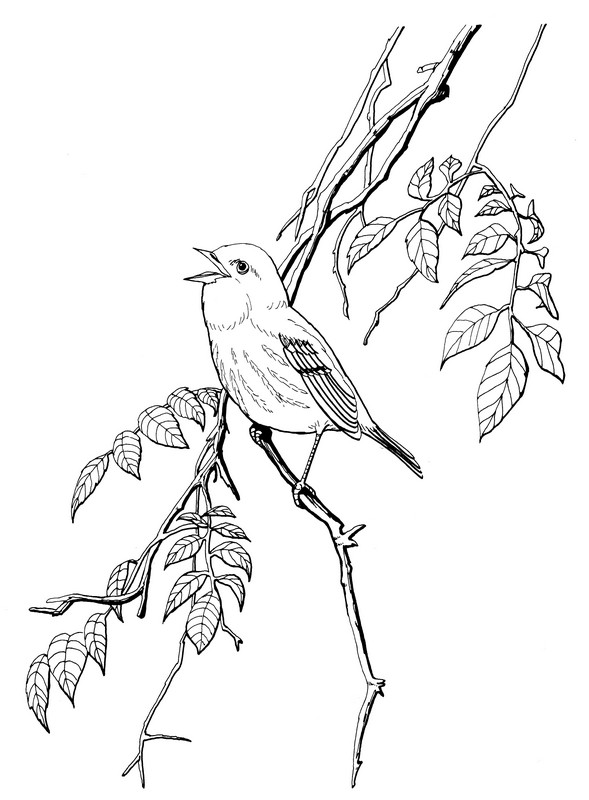
Yellow Warbler Coloring Page
-
live
“We do not think ourselves into new ways of living, we live ourselves into new ways of thinking.” Richard Rohr, from Everything Belongs

-
Being Creative & Meditation
Certain meditation techniques can promote creative thinking, even if you have never meditated before. This is the outcome of a study by cognitive psychologist Lorenza Colzato and Dominique Lippelt at Leiden University, published in Mindfulness.
Long-lasting influence
The study is a clear indication that you don’t need to be an experienced meditator to profit more from meditation. The findings support the belief that meditation can have a long-lasting influence on human cognition, including how we conceive new ideas. Besides experienced meditators, also novices may profit from meditation.
Different techniques, different effects
But the results demonstrate that not all forms of meditation have the same effect on creativity. Test persons performed better in divergent thinking (= thinking up as many possible solutions for a given problem) after Open Monitoring meditation (= being receptive to every thought and sensation). The researchers did not see this effect on divergent thinking after Focused Attention meditation (=focusing on a particular thought or object.)
Setup of the study
40 individuals participated in this study, who had to meditate for 25 minutes before doing their thinking tasks. There were both experienced mediators and people who never meditated before. The study investigated the influences of different types of meditative techniques on the two main ingredients of creativity:
- Divergent thinking Allows for many new ideas to be generated. It is measured using the so-called Alternate Uses Task method where participants are required to think up as many uses as possible for a particular object, such as a pen.
- Convergent thinking Convergent thinking, on the other hand, is a process whereby one possible solution for a particular problem is generated. This is measured using the Remote Associates Task method, where three unrelated words are presented to the participants, words such as ‘time’, ‘hair’ and ‘stretch’. The participants are then asked to identify the common link: in this case, ‘long’.
Lorenza S. Colzato, Ayca Szapora, Dominique Lippelt, Bernhard Hommel. Prior Meditation Practice Modulates Performance and Strategy Use in Convergent- and Divergent-Thinking Problems. Mindfulness, 2014; DOI: 10.1007/s12671-014-0352-9
-
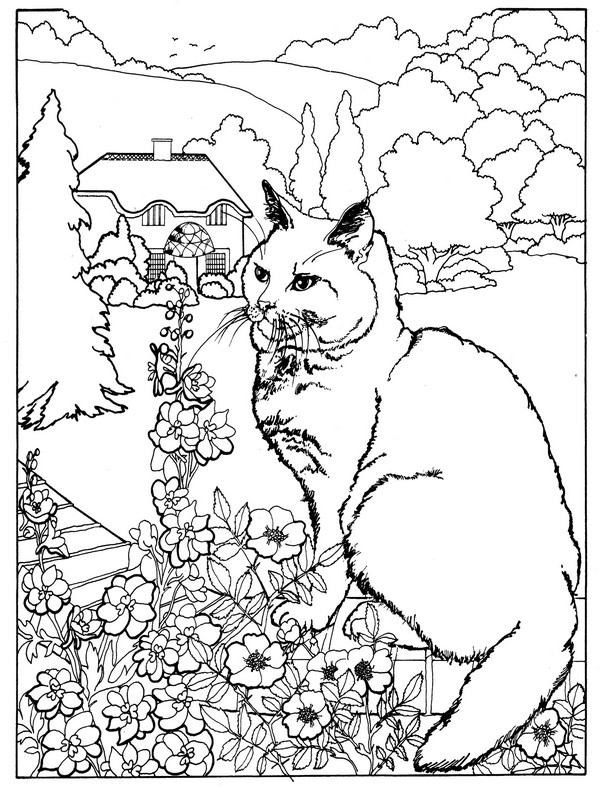
British Domestic Short hair Coloring Page
-
Rama Vaidyanathan
-
Dance/Movement Therapy: Mindfulness, Substance Abuse Recovery
-
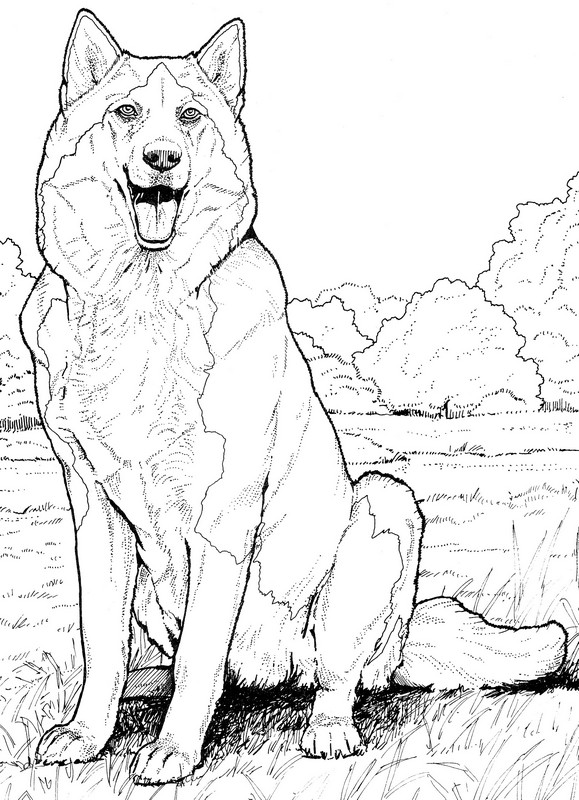
Siberian Husky Coloring Page
-
Dance/Movement Therapy & Dementia
-
Ways of moving
I have learned a lot about the Creative Arts and Dance Movement Therapy in particular over many years. I have come to know the far reaching effects that movement has in discovering one’s own feelings. I have come to recognizing others feelings by witnessing their movement as well.
In one situation I spend time directing a group of clients to move in ways that expressed relaxation for them. Ten people moving in ten different ways, all expressing the same thing. Later the group shared their experience first with a movement and then with verbal processing. The clients discovered new ways of relaxing and being relaxed by exploring and witnessing others move and share.
We can all learn new ways of moving and being moved by witnessing others. As children we learned patterns of movement from our care givers and from our culture. As adults we add to our developmental movement patterns by incorporating the uniqueness of who we are. As we mature and age, our movement patterns change again to reflect where in our lives we are.
We all move, everyone of us. With our breath, our smiles and frowns, our heart beat, and more. It is what we have in common. It is who we are.

-
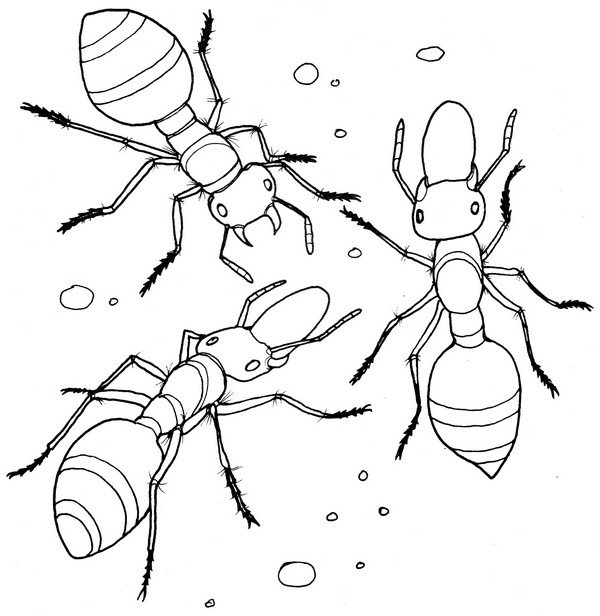
Ant Coloring Page


 CreativeTherapyTools