
-
Protecting New Hampshire’s Wetlands
-
Teen brain, brain injury, and addiction
These days, when there are news reports about traumatic brain injury (TBI), it’s almost always related to football. And while one of the effects of TBI is an increased risk of using drugs and alcohol (especially for teens), this post isn’t really about that (but this post is).
This post is about the turf TBIs and drugs share—the developing teen brain.
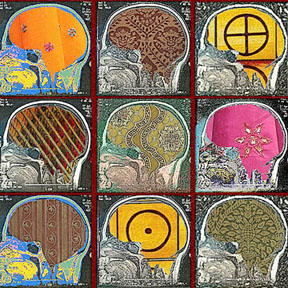
The Developing Teen Brain—What Makes It Special Puts You at Risk
We’ve talked a lot about why drug use is so dangerous in your teen years—that it raises your risk for being addicted. (Here’s a great explanation.) The teen brain is still developing—growing. This makes it more flexible, more impressionable; so what you do now has a big impact on who you become as an adult. Like clay being molded before it hardens, like a computer being programmed, you are wiring your brain.
-
Vincent Walsh – Neuroscience and Creativity
-
VA arts program exhibit
Recently visitors to Microsoft’s flagship Manhattan store got a glimpse into the world of the American Veteran. Through the Eyes of a Veteran—a digital showcase and panel discussion held in December—represented the exhibit of the same name still currently on display at Snug Harbor Cultural Center, in Staten Island.

The Snug Harbor exhibit, features the works of about 75 Veteran artists originating from the Creative Arts Program at the VA New York Harbor Health Care System’s Brooklyn Campus.
Beryl Brenner, VA’s creative arts therapist for the creative arts program, and Snug Harbor’s director of performing arts, Larry Anderson, curated the exhibit.
Brenner, who has been introducing Veterans to the arts for 38 years—with 26 of those spent at VA—said the show at Snug Harbor “is a composite of years and years of work from the other shows they’ve done.”
Through the Eyes of a Veteran expresses a range of themes—from battling PTSD, to the different aspects of military environments both stateside and deployed—and also looks at Veterans through the lens of their individual portraits. MORE HERE
-
Coloring Page Mandala
-
Coloring Page Mandala
-
Art and Smarts

For many education advocates, the arts are a panacea: They supposedly increase test scores, generate social responsibility and turn around failing schools. Most of the supporting evidence, though, does little more than establish correlations between exposure to the arts and certain outcomes. Research that demonstrates a causal relationship has been virtually nonexistent.
A few years ago, however, we had a rare opportunity to explore such relationships when the Crystal Bridges Museum of American Art opened in Bentonville, Ark. Through a large-scale, random-assignment study of school tours to the museum, we were able to determine that strong causal relationships do in fact exist between arts education and a range of desirable outcomes. Read more here: NYT
-
Dance Movement Therapy and Children
Dance Movement Therapist (DMT) practice in a wide variety of settings. One example is DMT’s who work with children and their care givers (such as parents) in a safe, structured and creative environment. In this type of setting DMT’s observe interactions such as how and when a child moves toward and away from their care giver. A DMT might use the Kestenberg Movement Profile (KMP) to observe the natural developmental based rhythms, attunements and clashes of the child and care giver as they play and interact. For instance, a child may have a gradual rhythm and moves slowly into activities and the care giver may have a more aggressive/biting rhythm. A cash of rhythms occurs when the care giver pushes the child into activities at the care giver’s rhythm and not the child’s. The result is the child will often resist the care giver and the more the care giver pushes the more the child resists.
One successful outcome of this situation is to teach the care giver how to attune to the natural physical, mental and emotional rhythms of the child. When the care giver attunes to the child, the child begins to attune to the care giver and instead if resisting each other’s rhythms they begin to “move” together.
-
From RocketJump Film School: Cuts & Transitions 101
-
Coloring Page Fiery Skipper



 CreativeTherapyTools