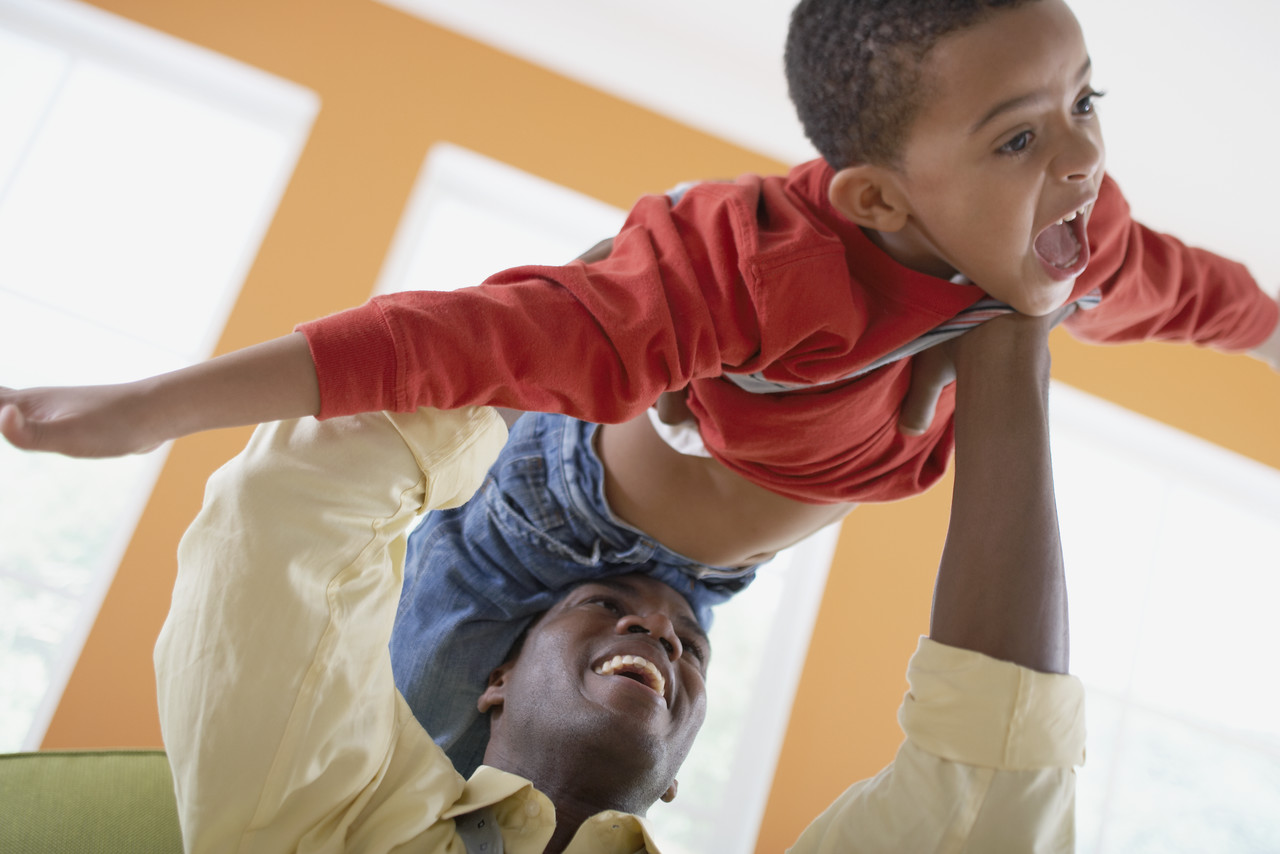
People read emotions using the whole body, not just facial expressions.

Interesting linked story from USA-NPR. “A new study suggests that people actually don’t use (those kinds of) extreme facial expressions to judge how a person is feeling. Instead, surprisingly, people rely on body cues.”


This, of course is not a surprise to Dance Movement Therapists. 🙂 We are trained to assess peoples feelings based on among other things, their whole body.

This story reminded me of a quote from W.B. Yeats; ““We only believe those thoughts which have been conceived not in the brain but in the whole body.”

In the context of this story I guess it would be: “We only believe those emotions expressed by the whole body and not just the face” Richardb

Posted in creative arts therapy, Dance Movement Therapy, Psychology, Quote | Tagged , , , | Leave a comment

Deep inside us

I am a Creative Arts & Dance Movement Psychotherapist and I have worked in clinical and non-clinical settings with children, adolescents, and adults. I think that what E.E. Cummings once said sums up one of my objectives when working with patients/clients:

“We do not believe in ourselves until someone reveals that deep inside us something is valuable, worth listening to, worthy of our trust, sacred to our touch. Once we believe in ourselves we can risk curiosity, wonder, spontaneous delight or any experience that reveals the human spirit.”

Posted in creative arts therapy, Dance Movement Therapy, Psychology, Psychotherapy | Tagged | Leave a comment

Barn Swallow Coloring Page

CPBD-Barn Swallow-TR.jpg

Posted in Coloring Pages | Tagged , | Leave a comment

Dance Movement Therapy and Children

Dance Movement Therapist (DMT) practice in a wide variety of settings. One example is DMT’s who work with children and their care givers (such as parents) in a safe, structured and creative environment. In this type of setting DMT’s observe interactions such as how and when a child moves toward and away from their care giver. A DMT might use the Kestenberg Movement Profile (KMP) to observe the natural developmental based rhythms, attunements and clashes of the child and care giver as they play and interact. For instance, a child may have a gradual rhythm and moves slowly into activities and the care giver may have a more aggressive/biting rhythm. A cash of rhythms occurs when the care giver pushes the child into activities at the care giver’s rhythm and not the child’s. The result is the child will often resist the care giver and the more the care giver pushes the more the child resists.

One successful outcome of this situation is to teach the care giver how to attune to the natural physical, mental and emotional rhythms of the child. When the care giver attunes to the child, the child begins to attune to the care giver and instead if resisting each other’s rhythms they begin to “move” together.

Posted in Dance Movement Therapy | Tagged , , , , , , , , , , | Leave a comment

Basset Hound Coloring Page

CPDG-Basset Hound-TR.jpg

Posted in Coloring Pages | Tagged , | Leave a comment

Watch “Geri Chavis – author of “Poetry and Story Therapy: The Healing Power of Creative Expression”” on YouTube

Posted in Creative Therapy Tools | Tagged | Leave a comment

Masanobu Coloring Page

Masanobu (1686-1764): The actor Ichikawa Monnosuke in the role of Hojo Tokimune. 1723

CPJN-4-TR.jpg

Posted in Coloring Pages | Tagged , | Leave a comment