
-
Mandala 4 Coloring Page

-
Kinesthetic Empathy: The Keystone of Dance/Movement Therapy
-
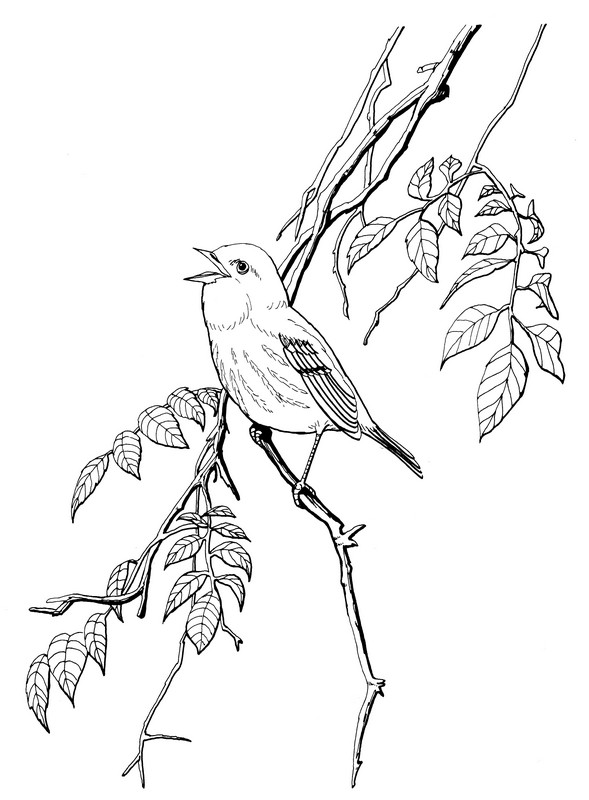
Yellow Warbler Coloring Page
-
Scientists identify immune system link to mental illness
Children with high everyday levels of a protein released into the blood in response to infection are at greater risk of developing depression and psychosis in adulthood, according to new research that suggests a role for the immune system in mental illness. The study indicates that mental illness and chronic physical illness such as coronary heart disease and type 2 diabetes may share common biological mechanisms.
-
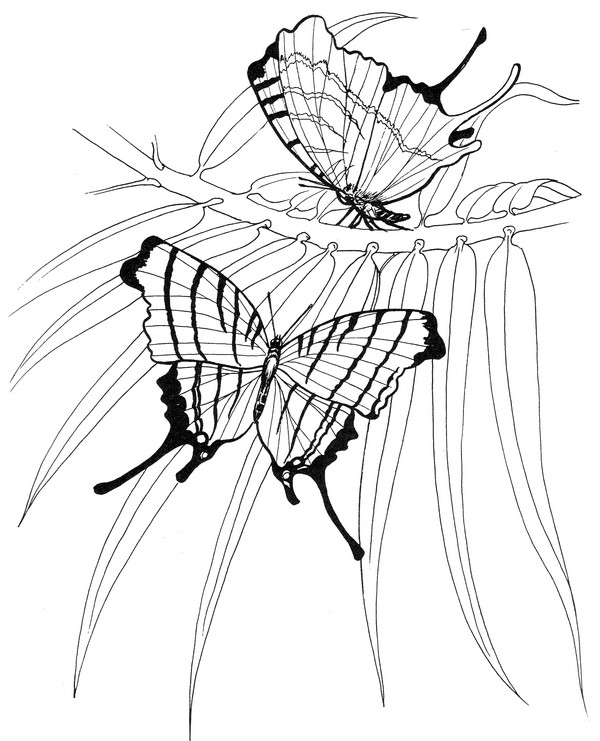
Ruddy Daggerwing Coloring Page
-
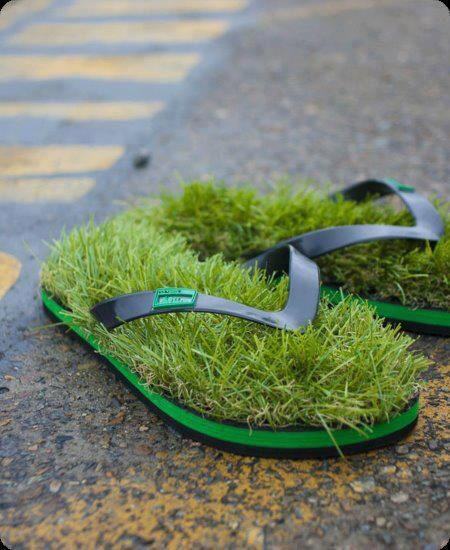
dreaming with your feet
Dancing is like dreaming with your feet! ~Constanze
-
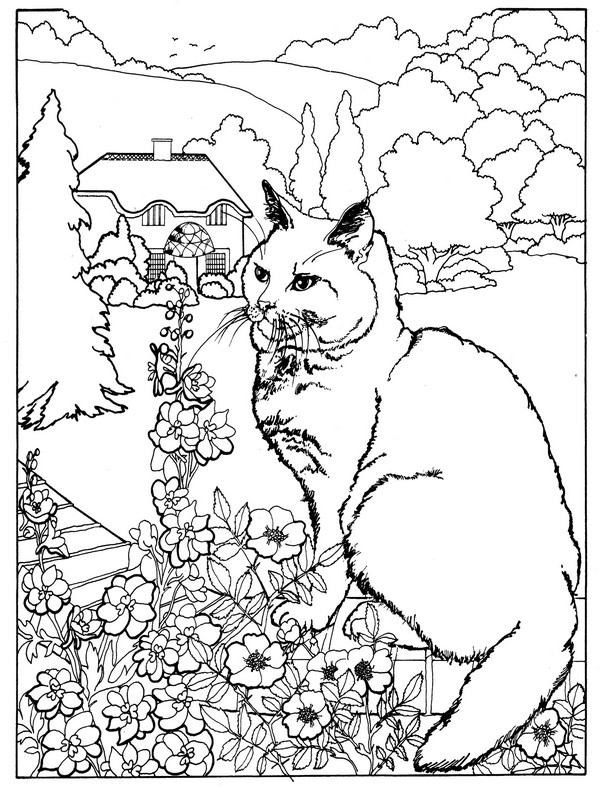
British Domestic Short hair Coloring Page
-
Dancing with Parkinson’s: Discovering your movement expression
-
Siberian Husky Coloring Page

-
Grounding
Grounding Techniques are activities you use when you feel overwhelmed by feelings, thoughts, sensations. These techniques help a person move their focus away from what is overwhelming them to something else. That something else is preferable healthy and supportive to their wellbeing. Below is a list that clients and patients have mentioned over the years of things they do that help them ground.- Get ice or ice water
- Breathe – slow and deep, like blowing up a balloon.
- Take your shoes off and rub your feet on the ground.
- Open your eyes and look around. See yourself in a different place than.
- Move around. Feel your body. Stretch out your arms, hands, fingers.
- Peel an orange or a lemon. Notice the smell. Take a bite. Focus on the taste.
- Pet your cat, dog or rabbit.
- Spray yourself with favorite perfume.
- Eat ice cream! Or any favorite food. Pay attention to the taste.
- Call a friend.
- Take a shower.
- Take a bath.
- Go for a walk. Feel the sunshine (or rain, or snow!)
- Count nice things.
- Dig in the dirt in your garden.
- Turn lights on.
- Play your favorite music.
- Hug a tree!
- Touch things around you.
- Frozen Orange – put your nails into it – the cold and the smell can bring you back
- Pull up the daily newspaper on your browser. Notice the date and read a current article.
- Stomp your feet to remind yourself where you are. Press your feet firmly into the ground.
- Try to notice where you are, your surroundings including people, sounds like the t.v. or radio.
- Concentrate on your breathing. Take a deep cleansing breath from your diaphragm. Count the breaths as you exhale. Make sure you breath slowly so you don’t hyperventilate.
- Cross your legs and arms. Feel the sensations of you controlling your body.
- Call a friend and ask them to talk with you about something you have recently done together.
- Take a warm relaxing bubble bath or a warm shower. Feel the water touching your body.
- Mentally remind yourself that the memory was then, and it is over. Give yourself permission to not think about it right now.
- Realize that no matter how small you feel, you are an adult.
- Go outside and sit against a tree. Feel the bark pressing against your body. Smell the outside aromas like the grass and the leaves. Run your fingers through the grass.
- If you are sitting, stand. If you are standing sit. Pay attention to the movement change. Reminding yourself — you are in control.
- Rub your palms, clap your hands. Listen to the sounds. Feel the sensation.
- Speak out loud. Say your name or significant others name.
- Hold something that you find comforting, for some it may be a stuffed animal or a blanket. Notice how it feels in your hands. Is it hard or soft?
- Eat something. How does it taste, sweet or sour? Is it warm or cold?
- If you have a pet use that moment to touch them. Feel their fur and speak the animals name out loud.
- Visualize a bright red STOP sign to help you stop the flashback and/or memory
- Step outside. If it’s warm, feel the sun shining down on your face. If it’s cold, feel the breeze. How does it make your body feel?
- Take a walk outside and notice your neighborhood. Pay attention to houses and count them.
- Listen to familiar music and sing along to it. Dance to it.
- Write in your journal. Pay attention to yourself holding the pencil. Write about what you are remembering and visualize the memory traveling out of you into the pencil and onto the paper. Tear the paper up or seal it in an envelope. Give it to your therapist for safekeeping.
- Go online and talk with an online friend. Write an email.
- Imagine yourself in a safe place. Feel the safety and know it.
- Watch a favorite t.v. program or video. Play a video game.
- If you have a garden, work in it. Feel your hands running through the dirt.
- Wash dishes or clean your house.
- Meditate if you are comfortable with it.
- Exercise. Ride a bike, stationary or otherwise. Lift weights. Do jumping jacks.

 CreativeTherapyTools