
-
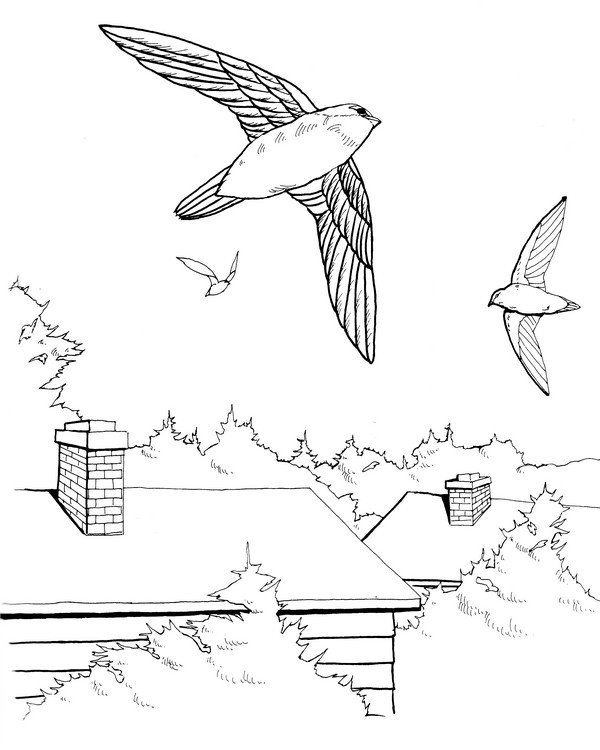
Coloring Page Chimney Swift
-
Healing with art
Gripping a cane to stabilize his stride, Bradley Books walked past the Firehouse Arts Center in Longmont, promising himself that one day his paintings and drawings would hang on the white walls.
Now four years later, the 37-year-old is inside on a weekly basis, without his cane, and facilitating a monthly program, Art of Possibility, which helps developmentally-disabled participants heal through artistic expression.
“My favorite is they always ask, ‘When are we coming back?’ And to know that’s how they feel, that then encourages me to keep working with it,” he said.
The program is two-fold because working with others also helps Books restore mentally and physically from pain that sometimes still paralyzes his mind and body. MORE HERE
-
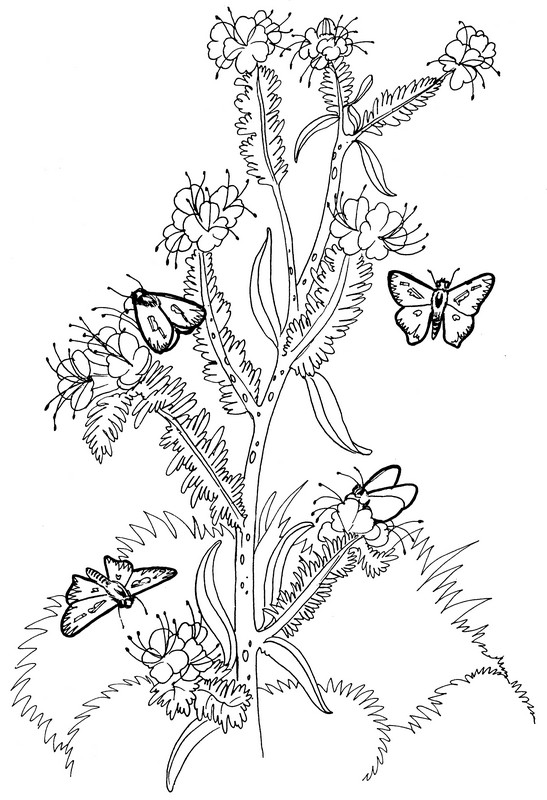
Coloring Page Fiery Skipper
-
Art therapy: a world beyond #creativeexpression | Carol Hammal | TEDx
-
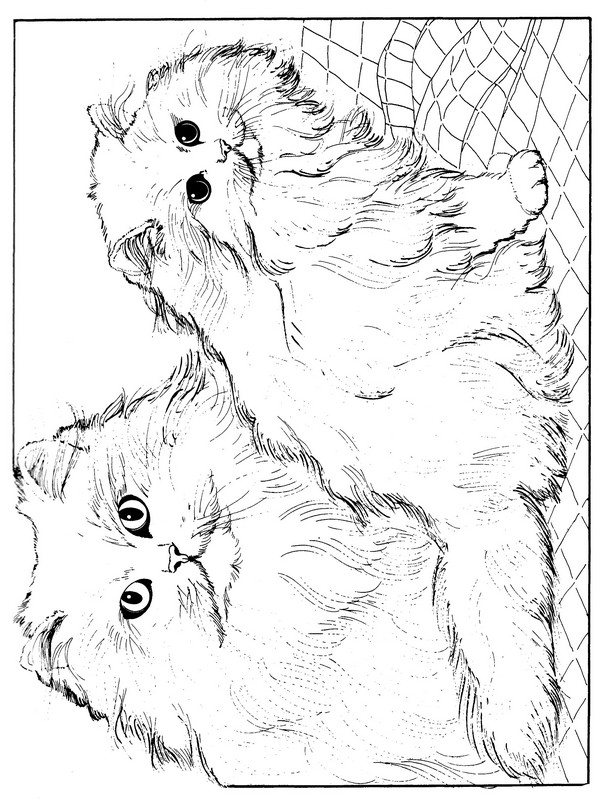
Coloring Page Persian Cats
-
Art therapy brings comfort to Jordan’s orphans
After a busy art session, the classroom at Amman’s al-Hussain Social Institution buzzed with energy, as children dashed around to clean up supplies, admire their paintings and pose in the decorated masks they designed.These young artists have come a long way over the past few months. Aged between six and 12, the children recently completed an art therapy programme – the first of its kind – designed to aid Jordan’s orphans. The weekly sessions of painting, gluing and building provided an atmosphere of organised chaos, during which they filled canvases with the anxieties and hopes that might otherwise be difficult to express. “It’s like regular therapy, except you use art as a medium,” art therapist and programme founder Shireen Yaish told Al Jazeera. “It’s great for those who find it difficult to verbalise things – it’s about making the unconscious conscious, in a way. My job is to make people understand what they’re making.”As the weeks progressed, the children participating in this programme run by the Kaynouna Art Therapy Centre came out of their shells and developed great enthusiasm for their artwork, Yaish said. Supported by the al-Aman Fund for the Future of Orphans and the Abdul Hameed Shoman Foundation, the programme also exposed the profound needs of some of Jordan’s most vulnerable children. MORE HERE
 -
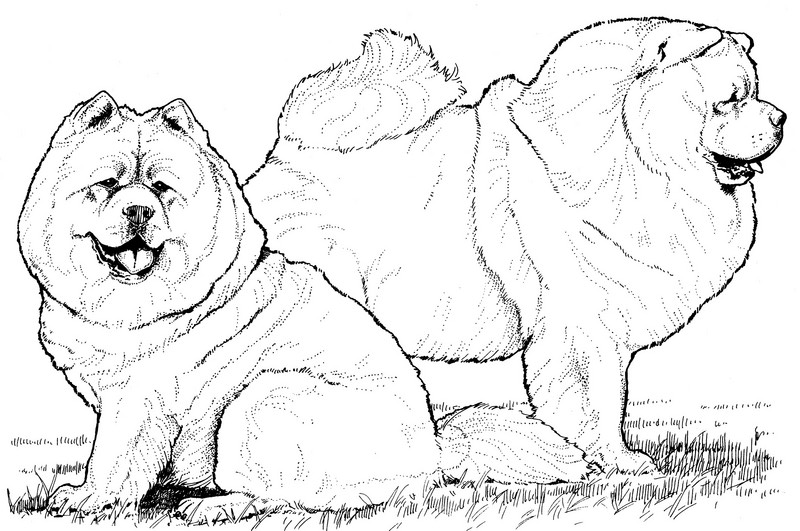
Coloring Page Chow Chow
-
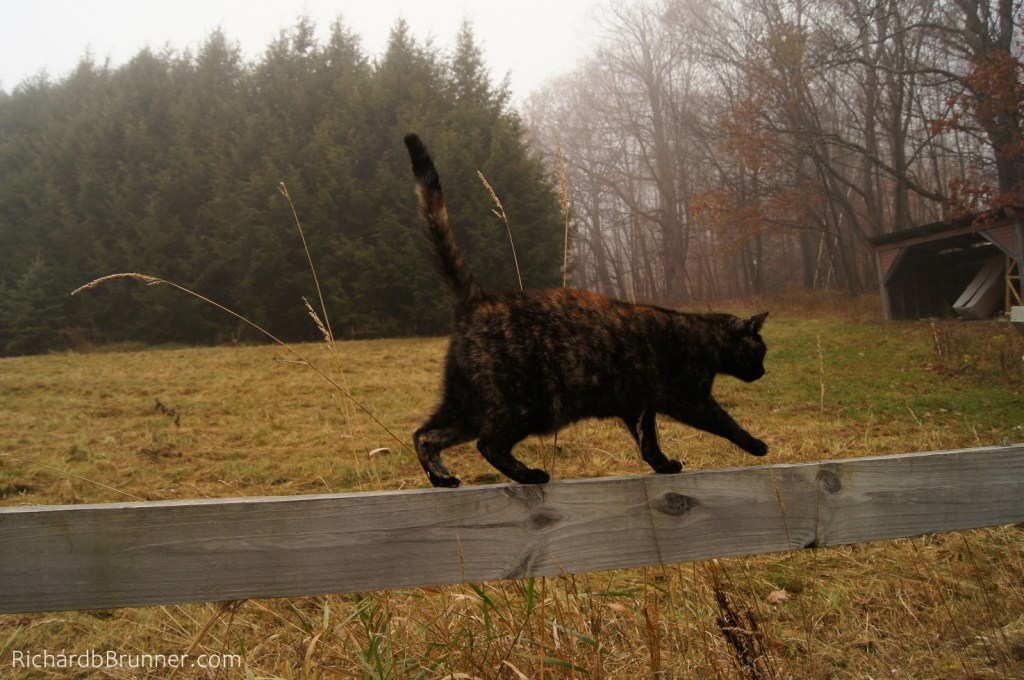
meow
A meow massages the heart. – Stuart McMillan
SONY DSC -
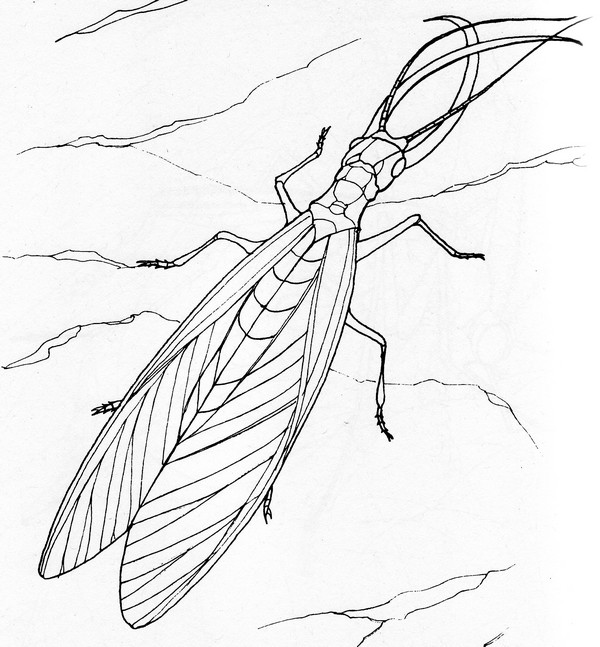
Dobsonfly Coloring Page
-
Trauma therapy for Syrian children
The he brainchild of the 16-year-old Emir Özsüer, who wanted to do something for the displaced Syrian refugee children in camps and those trying to carve a life for themselves in Istanbul, Project Lift is a foundation that provides creative arts therapy to displaced urban children refugees, teaching them the coping skills to overcome trauma and adjust to their new lives away from home. It all started in 2014 when Emir paid a visit to the Nizip refugee camp in Gaziantep when he returned to propose his project idea to his mother Esra Özsüer, now president of Project Lift. Joined by a skilled team of Turkish and expat therapists, Project Lift now offers five-day intensive workshops in art, music, movement and dance therapy. MORE HERE




 CreativeTherapyTools