
-
Self-Control Can Be Draining
The human body has a finite number of resources, and scientists are always discovering more about how these resources are shared, depleted, and replenished. Now a new study suggests that the areas in your brain responsible for self-control and forming memories are closely linked – in other words, if you’re concentrating hard on staying disciplined, you’re probably becoming less adept at remembering what’s happening.

Researchers Yu-Chin Chiu and Tobias Egner from Duke University in the US asked a group of volunteers to recognize a series of faces, both with and without the inclusion of a self-control test in the middle. They found that having to exercise self-control had a negative impact on the participants’ ability to recall which pictures they’d previously seen. The same experiment was then repeated with a new set of volunteers and brain-scanning fMRI (functional magnetic resonance imaging) equipment on hand.
The pair discovered that one area of the brain – the ventrolateral prefrontal cortex – was activated frequently during the self-control test and predicted the strength of the volunteers’ memory later on. The findings suggest that self-control and memory compete for the same resources inside the brain and support the theory that inhibiting ourselves can also cause us to forget more easily.
“The control demands of response inhibition divert attention away from stimulus encoding, thereby weakening memory traces for inhibitory cues,” the researchers conclude in The Journal of Neurosience. “These findings shed new light on the relation between the control process of response inhibition and the cognitive domains of perception, attention, and memory.”
The self-control test used was a traditional Go/No-Go task: these tasks work by asking participants to view a series of items and push a button only when certain criteria are met – in the case of this experiment, when the face shown is male rather than female. The theory is that those who are able to hold back from a button push when necessary are those with the strongest self-control (or “response inhibition”, as neuroscientists like to call it). The participants were not told in advance that they would need to remember the faces they were shown.
“The scans revealed that responding to a cue and inhibiting a response produced overlapping activation patterns in brain regions within the right frontal and parietal lobes, a network that has previously been implicated in response inhibition,” Mo Costrandi reports for The Guardian. “Crucially, ‘no-go’ trials produced greater activation of this network than ‘Go’ trials, and activity in one specific brain region (the ventrolateral prefrontal cortex) predicted the strength of the participants’ memory, such that the greater the observed network activation, the more likely the participants were to forget that face later on.”
The researchers admit their theory is still “speculative” for now, but if further study confirms the link, they believe their discovery could be used to treat people who have problems with self-control: those suffering from ADHD (Attention Deficit Hyperactivity Disorder), for example, or some form of addiction.
One scenario put forward by the pair is having to suddenly cancel a lane change on the motorway because a car is already in the spot you want to move into. If they’re right, the act of having to control and inhibit your actions would make it less likely that you would remember the details of the incident – such as the make and model of the car that was blocking your path.
-
Crow Coloring Page

-
Men and Depression
In my years of facilitating groups I have on occasion facilitated men only groups. One issue that comes up is depression. We all have bouts of sadness now and then and when those bouts of sadness interfere with our daily lives than we need to take a step in the direction of change. Below is part of a handout I often use, particularly with dual diagnosed men.
Symptoms of Depression
Not everyone who is depressed or manic experiences every symptom. Some people experience only a few; some people suffer many. The severity of symptoms varies among individuals and also over time.
· Persistent sad, anxious, or “empty” mood.
· Feelings of hopelessness or pessimism.
· Feelings of guilt, worthlessness, or helplessness.
· Loss of interest or pleasure in hobbies and activities that were once enjoyable
· Decreased energy, fatigue; feeling “slowed down.”
· Difficulty concentrating, remembering, or making decisions.
· Trouble sleeping, early-morning awakening, or oversleeping.
· Changes in appetite and/or weight.
· Thoughts of death or suicide, or suicide attempts.
· Restlessness or irritability.
· Persistent physical symptoms, such as headaches, digestive disorders, and chronic pain that do not respond to routine treatment.

Co-Occurrence of Depression with Other Illnesses
Depression can coexist with other illnesses. In such cases, it is important that the depression and each co-occurring illness be appropriately diagnosed and treated. Research has shown that anxiety disorders which include post-traumatic stress disorder (PTSD), obsessive-compulsive disorder, panic disorder, social phobia, and generalized anxiety disorder commonly accompany depression.
Substance use disorders (abuse or dependence) also frequently co-occur with depressive disorders. Research has revealed that people with drug and/or alcohol addiction are almost twice as likely to experience depression.
Depression has been found to occur at a higher rate among people who have other serious illnesses such as heart disease, stroke, cancer, HIV, diabetes, and Parkinson’s.
Causes of Depression
Very often, a combination of cognitive, genetic, and environmental factors is involved in the onset of depression. Modern brain-imaging technologies reveal that, in depression, neural circuits responsible for the regulation of moods, thinking, sleep, appetite, and behavior fail to function properly.
In some families, depressive disorders seem to occur generation after generation; however, they can also occur in people with no family history of these illnesses. Genetics research indicates that risk for depression results from the influence of specific multiple genes acting together with non-genetic factors.
Environmental factors such as trauma, loss of a loved one, a difficult relationship, financial problem, or any stressful change in life patterns, whether the change is unwelcome or desired, can trigger a depressive episode in vulnerable individuals. Once someone experiences a bout of depression later episodes of depression may occur without an obvious cause.
Men and Depression
Men are more likely than women to report alcohol and drug abuse or dependence in their lifetime; however, there is debate among researchers as to whether substance use is a “symptom” of underlying depression in men or a co-occurring condition that more commonly develops in men. Nevertheless, substance use can mask depression, making it harder to recognize depression as a separate illness that needs treatment.
Instead of acknowledging their feelings, asking for help, or seeking appropriate treatment, men may turn to alcohol or drugs when they are depressed, or become frustrated, discouraged, angry, irritable, and, sometimes, violently abusive. Some men deal with depression by throwing themselves compulsively into their work, attempting to hide their depression from themselves, family, and friends. Other men may respond to depression by engaging in reckless behavior, taking risks, and putting themselves in harm’s way.
-
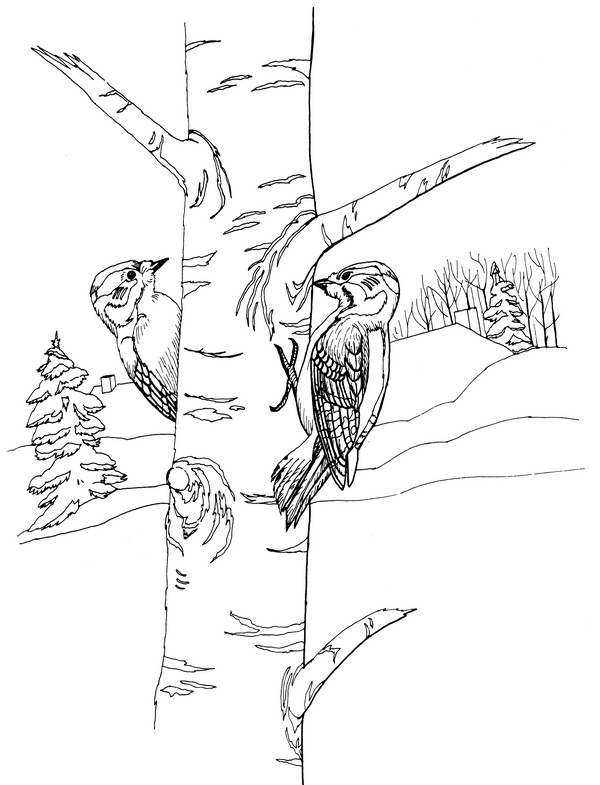
Downy Woodpecker Coloring Page
-
Why We Get Addicted
Think about an experience that makes you feel good. It could be successfully completing a project at work, eating a warm chocolate chip cookie or taking a swig of whiskey. It could be a puff of a cigarette or a shopping trip. A dose of Vicodin or a hit of heroin.
Those experiences don’t automatically lead to addiction. So, what makes a particular habit or substance an addiction? What propels some people to seek out these experiences, even if they are costly or detrimental to their health and relationships?
“Addiction is a biopsychosocial disorder. It’s a combination of your genetics, your neurobiology and how that interacts with psychological and social factors,” said Maureen Boyle, a public health advisor and director of the science policy branch at the National Institute on Drug Abuse. That means it’s a lot like any other chronic disorder, such as type 2 diabetes, cancer and heart disease. And just like other chronic diseases, addiction is both preventable and treatable, Boyle said, but added that if left untreated, it can last a lifetime.
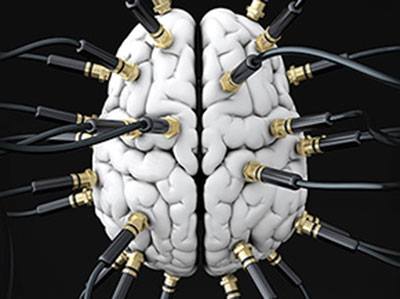
Though everyone’s path to addiction is different — whether he or she tries a drug or a behavior because it’s what that person’s parents or peer do, or just out of curiosity — what’s common across all substance and behavioral addictions is their stunning ability to increase levels of an important chemical in the brain called dopamine,Dopamine is a molecule that ferries messages across the brain’s reward center. It’s what gives people the feeling of pleasure and reinforces behaviors critical for survival, such as eating food and having sex.
When someone uses a drug or engages in a pleasurable experience, the same natural reward circuitry is activated. “The problem with drugs is that they do the job better than natural rewards,” said Dr. Hitoshi Morikawa, an associate professor of neuroscience at the University of Texas at Austin.
Different drugs tap into the dopamine reward system in different ways. Marijuana and heroin have a chemical structure similar to another neurotransmitter and can trick some brain cells into activating neurons that use dopamine. Cocaine and amphetamines, on the other hand, prolong the effect of dopamine on its target neurons, disrupting normal communication in the brain.
How quickly each drug can get into the brain, and how powerfully it activates neural circuits, determines how addictive it will be, Morikawa told Live Science. Some modes of use, like injecting or snorting a drug, make the drug’s effects almost immediate. “That’s why heroin, for example, is the last drug you want to take,” he said. “It’s very addictive.”
As individuals continue with addictive habits or substances, the brain adapts. It tries to reestablish a balance between the dopamine surges and normal levels of the substance in the brain, Morikawa said. To do this, neurons begin to produce less dopamine or simply reduce the number of dopamine receptors. The result is that the individual needs to continue to use drugs, or practice a particular behavior, to bring dopamine levels back to “normal.” Individuals may also need to take greater amounts of drugs to achieve a high; this is called tolerance.
Without dopamine creating feelings of pleasure in the brain, individuals also become more sensitive to negative emotions such as stress, anxiety or depression, Morikawa said. Sometimes, people with addiction may even feel physically ill, which often compels them to use drugs again to relieve these symptoms of withdrawal.

Eventually, the desire for the drug becomes more important than the actual pleasure it provides. And because dopamine plays a key role in learning and memory, it hardwires the need for the addictive substance or experience into the brain, along with any environmental cues associated with it — people, places, things and situations associated with past use. These memories become so entwined that even walking into a bar years later, or talking to the same friends an individual had previously binged with, may then trigger an alcoholic’s cravings, Morikawa said.
Brain-imaging studies of people with addiction reveal other striking changes as well. For example, people with alcohol-, cocaine- or opioid-use disorders show a loss in neurons and impaired activity in their prefrontal cortex, according to a 2011 review of studies published in the journal Nature Reviews Neuroscience. This erodes their ability to make sound decisions and regulate their impulses.
Some people are more susceptible to these extreme neurobiological changes than others, and therefore more susceptible to addiction. Not everyone who tries a cigarette or gets morphine after a surgery becomes addicted to drugs. Similarly, not everyone who gambles becomes addicted to gambling. Many factors influence the development of addictions, Boyle said, from genetics, to poor social support networks, to the experience of trauma or other co-occurring mental illnesses.
One of the biggest risk factors is age. “The younger someone is, the more vulnerable they are to addiction,” Boyle said. In fact, a federal study from 2014 found that the majority (74 percent) of 18- to 30-year-olds admitted to treatment programs had started using drugs at age 17 or younger.
Additionally, like most behavioral and mental health disorders, there are many genes that add to a person’s level of risk or provide some protection against addiction, Boyle said. But unlike the way in which doctors can predict a person’s risk of breast cancer by looking for mutations in a certain gene, nobody knows enough to be able to single out any gene or predict the likelihood of inheriting traits that could lead to addiction, she said.
-
Eastern Bluebird Coloring Page

-
Abuse, Neglect and Addiction
Somewhere south of a sunny childhood are emotional and physical abuse and neglect. There are four possible combinations: emotional abuse, emotional neglect, physical abuse, and physical neglect. If one or more of these describe your childhood, maybe you’ve worked hard to put all that stuff behind you — but a study in the journal Alcoholism: Clinical and Experimental Research shows it’s not that easy to keep your past in the past.
It may come as no surprise that people who were mistreated as children are more likely to struggle with addiction as adults. But exactly what kind of mistreatment you experienced can predict what kind of substance abuser you may become. Of course, having a bad childhood does not mean that you will abuse substances, and conversely there are plenty of folks who had wonderful childhoods and became substance abusers.
For better or for worse, you are shaped by your past. The kind of maltreatment you experienced as a child makes you more likely to lean in certain ways as an adult and how you may use alcohol in predictable patterns to attempt to bring yourself back into balance.
The study followed 314 young adults to discover exactly which unfortunate childhood experiences set people on the paths toward specific kinds of drinking. First the researchers asked about childhood maltreatment, personality and drinking, and then, five years later, they asked again, along with a measure of alcohol-related problems.
Which childhood experiences led to the development of alcohol-related problems as a young adult? Let’s look at each in turn:
1. Emotional Abuse
In this study, young adults who were emotionally abused as children were more likely to be depressed. These depressed people were, in turn, more likely to drink in order to feel better. Of all four types of maltreatment, emotional abuse was most likely to lead to people drinking during the week, and most likely to create alcohol-related problems like missing work or ending relationships.
2. Emotional Neglect
In this study, it was as if emotional neglect cut the head off young adults’ joy. These people weren’t any more likely to be depressed, but they were much less likely than others to be joyful, as if emotional neglect squeezed their positive adult emotions back toward the center. Perhaps because this group’s emotional experience wasn’t quite pushed into “negative” territory, they didn’t feel the need to compensate with alcohol and emotional neglect was the one form of maltreatment on this list that didn’t predict increased alcohol use.
3. Physical Abuse
The researchers call the result of physical abuse “positive emotionality and unconscientious disinhibition.” What this means is that people who were physically abused as children are more likely to be impulsive and seek rewards – they drink on weekends and have a hard time stopping. These people had alcohol-related problems related to massive over-consumption – not the consequences of day-in, day-out drinking, but the consequences of getting way too drunk in binges.
4. Physical Neglect
Like physical abuse, physical neglect made it difficult for people in this study to stop drinking; they had the same “unconscientious disinhibition,” or lack of personal control. But their reasons to start drinking were different. Physical neglect made people antisocial. One form of antisocial behavior was a cruel and sometimes self-destructive experience of drinking. Though physical neglect didn’t predict weekend drinking as strongly as did physical abuse, and it didn’t predict weekday drinking as strongly as did emotional abuse, physical neglect and its antisocial consequence predict both kinds of increased drinking – weekend and weekday…and maybe due to the combined effects, physical neglect leads to as many alcohol-related problems as the other versions of maltreatment.
As important as these specific results, is the idea that unresolved issues from your childhood influence why you drink, when you drink, and how much you drink as an adult. But each of these paths from a difficult childhood to adult alcohol problems pass through an important checkpoint, namely they pass through the person you become. It’s not that a traumatic childhood forces you to drink as an adult, it’s that left unexamined, a traumatic childhood can make you feel like you need to drink to get something you’re missing or get something you want as an adult.
One key function of treatment is working to uncover the unresolved experiences in your past that cause you to drink. Is there something in your past that makes you compensate with alcohol in the present? Only by working to resolve this past mistreatment can you truly move forward without feeling these needs, cravings, and compulsions to drink.
-
Flicker Coloring Page

-
How to Help Yourself if You Are Depressed
Depressive disorders can make one feel exhausted, worthless, helpless, and hopeless. It is important to realize that these negative views are part of the depression and do not accurately reflect the actual circumstances. Negative thinking fades as treatment begins to take effect. In the meantime:
- Engage in mild exercise. Go to a movie, a ballgame, or participate in religious, social, AA/NA meetings or other healthy activities.
- Set realistic goals and assume a reasonable amount of responsibility.
- Break large tasks into small ones, set some priorities, and what you can as you can.
- Try to be with other people and to confide in someone; it is usually better than being alone and secretive.
- Expect your mood to improve gradually, not immediately.
- Feeling better takes time. Often during treatment of depression, sleep and appetite will begin to improve before depressed mood lifts.
- Postpone important decisions. Before deciding to make a significant transition–change jobs, get married or divorced–discuss it with others who know you well and have a more objective view of your situation.
- Do not expect to ‘snap out of’ a depression. But do expect to feel a little better day-by-day.
- Remember, positive thinking will replace the negative thinking as your depression responds to treatment.
- Let your family and friends help you.
-
Goldfinch Coloring Page


 CreativeTherapyTools