

Past Talking: Dance Movement Therapy
Dance/movement therapy, defined by the American Dance Therapy Association (ADTA) as the “psychotherapeutic use of movement to further the emotional, cognitive, physical, and social integration of the individual,” and reflects a core social work value in its emphasis on meeting clients where they are. Everyone can meaningfully participate, regardless of his or her level of physical or cognitive functioning, and it’s not necessary for clients to be able dance to reap the benefits.
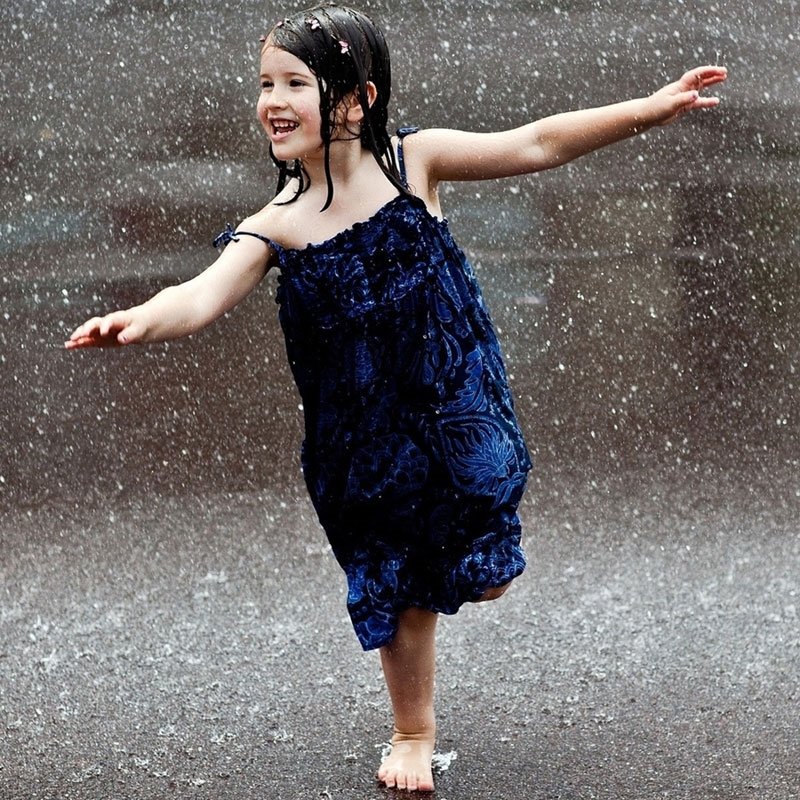
“Movement is the medium of dance/movement therapy the way water is the medium for swimming,” says Donna Newman-Bluestein, BC-DMT, adjunct instructor of dance/movement therapy at Lesley University in Cambridge, MA, and official spokesperson for the ADTA. Dance/movement therapists, she says, use dance, expressive movement, and words as the means to engage, interact, and heal. This type of therapy, she says, is healing chiefly because it “engenders a feeling of connectedness to another person; call it bonding or a sense of belonging—this is essential for health and well-being.”
The arts, says Newman-Bluestein, “teach us a great deal about values, about life, about getting along, about balance, and health. The dominant culture has values that I would consider upside-down. Even though no more than 35% of what we express when we speak is verbal, the nonverbal is ignored. For people with cognitive issues, the nonverbal is of the utmost importance. The expressive arts therapies in general are something they can excel at and grow in.”
The entry-level credential, R-DMT (registered dance/movement therapist), is based on completion of a graduate-level dance therapy program approved by the ADTA and 700 hours of supervised clinical fieldwork and internships. Board certification requires an additional two years of paid clinical employment supervised by a licensed/registered mental health professional.

Watch “Insight into the Music Therapy Profession”
Posted in Creative Arts Therapy, Creative Therapy Tools
Tagged creative arts therapy, music therapy
Leave a comment

Past Talking: Music Therapy
Of all the creative arts therapies, music therapy may be most familiar to the public, having received the lion’s share of media attention. It’s been widely acknowledged as an especially useful therapeutic modality ever since it was used to help World War II veterans with brain injuries. More recently, a spotlight shone on the successful marriage of music and therapy in the months after the tragic shooting of former Arizona Congresswoman Gabrielle Giffords. Because the injury damaged the left side of her brain—the part of the brain that controls speech—the shooting rendered the congresswoman aphasic. Thanks in large part to music therapy, which research has shown can help rewire the pathways in the brain, Giffords was able to progress gradually from singing to speaking once again. It’s a phenomenon highlighted as well in the Oscar-winning film “The King’s Speech,” in which music therapy helped King George VI of England, a lifetime stutterer, find his fluent voice.

Oliver Sacks, perhaps the most well-known proponent of music therapy, observes that music, like scent, can not only tap long-buried memories but also help propel locomotion, thus making it an especially a valuable tool in the treatment of aphasia, Parkinson’s disease, and dementia. In his 2007 book Musicophilia: Tales of Music and the Brain, Sacks points to the healing power of music in cases of Tourette’s and Williams syndromes, seizures, and more.
Board certified music therapists are required to have completed a bachelor’s degree or higher in music therapy from a program approved by the American Music Therapy Association and 1,200 hours of clinical fieldwork.


 CreativeTherapyTools