Tiphiid Wasp Coloring Page

CPIT-5 banded Tiphiid Wasp-TR.jpg

Posted in Coloring Pages | Tagged , | Leave a comment

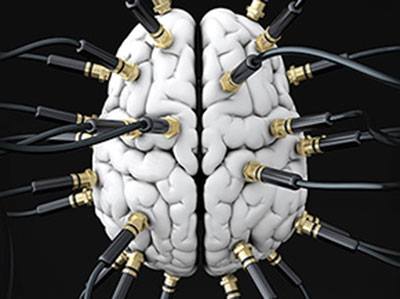
Addictive habits and the brain

The notion that “one size fits all” when applying drug treatments to addiction is challenged by a published in the journal Biological Psychiatry that investigates pharmacotherapies for cocaine addiction.

Currently, medication for drug addicts is prescribed in the same way for all patients, regardless of the extent of their addiction. The new study uses cocaine addiction – for which there are currently no Food and Drug Administration (FDA)-approved drug therapies – to study whether treatment is more or less responsive at different stages of addiction.

Increasingly, evidence suggests that addiction is caused by a convergence of different “neurobiological adaptations” that result in an eventual loss of control over drug-seeking behaviors. Cocaine, for instance, impairs the processes that govern impulse control but also promotes drug-seeking habits.

The adaptations within the brain triggered by addictive drugs include reduced metabolic activity and reduced production of dopamine – the hormone that controls the brain’s reward and pleasure centers.

At some point, over the course of addiction, a brain region called the nucleus accumbens takes over from the dorsolateral striatum (DLS) in managing control behaviors – systems that are both involved in the production of dopamine. As the nucleus accumbens is responsible for processing reward and the DLS is involved in habits, this shift results in a behavior change that favors high impulsivity and compulsive drug seeking.

To study how the DLS, impulsivity and phase of addiction of a subject influence their responsiveness to drug interventions, the researchers behind the new study – from the University of Cambridge in the UK – conducted an experiment in an animal model.

The rats that were in an early phase of addiction were not affected by the treatment. Instead, it was the animals who had a longer history of self-administering cocaine that exhibited the greatest change in behavior.

First, the “impulsivity” of 40 male rats was measured using a task in which rats were trained to self-administer food pellets by pushing open a panel during allocated periods signaled to the rats using a light.

Next, these rats were trained to press a lever to self-administer cocaine dissolved in water. The extent to which the rats exhibited cocaine-seeking behavior – for instance, repeatedly pressing the lever, even when cocaine was not delivered – was monitored by the researchers.

The team then administered a dopamine receptor-blocking drug called α-flupenthixol directly into the DLS of rats at various phases of addiction.

Also, the rats that were in an early phase of addiction were not affected by the treatment. Instead, it was the animals that had a longer history of self-administering cocaine that exhibited the greatest change in behavior.

Dr. John Krystal, editor of Biological Psychiatry, says the results show that dopamine receptor blockers play a role in treatment of addiction, but only at particular phases of the addiction process.

“The notion that particular brain mechanisms are engaged only at particular phases of the addiction process strikes me as an important insight that has yet to be harnessed in developing new medications for addiction treatment,” he says.

“The results of this study are important because they show that although both impulsive and non-impulsive rats developed cocaine-seeking habits, this was delayed in high impulsive rats,” adds first author Dr. Jennifer Murray. She continues:

“It is suggested that vulnerability to addiction conferred by impulsivity is less influenced by the propensity to develop drug-seeking habits and more by the inability of an individual to regain control over these habits that are rigidly and maladaptively established in the brain.”

Posted in Addiction, Brain | Tagged | Leave a comment

Common Blue Coloring Page

CPBF-Common Blue-TR.jpg

Posted in Coloring Pages | Tagged , | Leave a comment

Stress management strategy #6

Adopt a healthy lifestyle

Adopt a healthy lifestyle

You can increase your resistance to stress by strengthening your physical health. 

  • Exercise regularly. Physical activity plays a key role in reducing and preventing the effects of stress. Make time for at least 30 minutes of exercise, three times per week. Nothing beats aerobic exercise for releasing pent-up stress and tension.
  • Eat a healthy diet. Well-nourished bodies are better prepared to cope with stress, so be mindful of what you eat. Start your day right with breakfast, and keep your energy up and your mind clear with balanced, nutritious meals throughout the day.
  • Reduce caffeine and sugar. The temporary “highs” caffeine and sugar provide often end in with a crash in mood and energy. By reducing the amount of coffee, soft drinks, chocolate, and sugar snacks in your diet, you’ll feel more relaxed and you’ll sleep better.
  • Avoid alcohol, cigarettes, and drugs. Self-medicating with alcohol or drugs may provide an easy escape from stress, but the relief is only temporary. Don’t avoid or mask the issue at hand; deal with problems head on and with a clear mind.
  • Get enough sleep. Adequate sleep fuels your mind, as well as your body. Feeling tired will increase your stress because it may cause you to think irrationally.

There as many ways to reduce stress as there are stars. I use and recommend that people engage a variety of healthy coping and preemptive stress reducing techniques.

Posted in Coping Skills, Stress | Leave a comment

Ant Coloring Page

CPIT-Ant-TR.jpg

Posted in Coloring Pages | Tagged | Leave a comment

Stress Management Strategy #5

Make time for fun and relaxation

Beyond a take-charge approach and a positive attitude, you can reduce stress in your life by nurturing yourself. If you regularly make time for fun and relaxation, you’ll be in a better place to handle life’s stressors when they inevitably come.

Healthy ways to relax and recharge

Go for a walk. Spend time in nature. Call a good friend. Sweat out tension with a good workout. Write in your journal. Take a long bath. Light scented candlesSavor a warm cup of coffee or tea. Play with a pet. Work in your garden. Get a massage. Curl up with a good book. Listen to music. Watch a comedy

Don’t get so caught up in the hustle and bustle of life that you forget to take care of your own needs. Nurturing yourself is a necessity, not a luxury.

  • Set aside relaxation time. Include rest and relaxation in your daily schedule. Don’t allow other obligations to encroach. This is your time to take a break from all responsibilities and recharge your batteries.
  • Connect with others. Spend time with positive people who enhance your life. A strong support system will buffer you from the negative effects of stress.
  • Do something you enjoy every day. Make time for leisure activities that bring you joy, whether it be stargazing, playing the piano, or working on your bike.
  • Keep your sense of humor. This includes the ability to laugh at yourself. The act of laughing helps your body fight stress in a number of ways.

Learn the relaxation response

You can control your stress levels with relaxation techniques that evoke the body’s relaxation response, a state of restfulness that is the opposite of the stress response. Regularly practicing these techniques will build your physical and emotional resilience, heal your body, and boost your overall feelings of joy and equanimity.

There as many ways to reduce stress as there are stars. I use and recommend that people engage a variety of healthy coping and preemptive stress reducing techniques.

Posted in Coping Skills, Stress | 1 Comment

Aphrodite Coloring Page

CPGD-Aphrodite1-TR.jpg

Posted in Coloring Pages | Tagged | Leave a comment